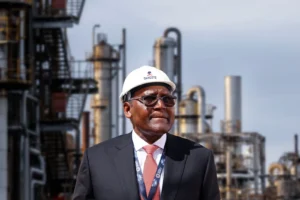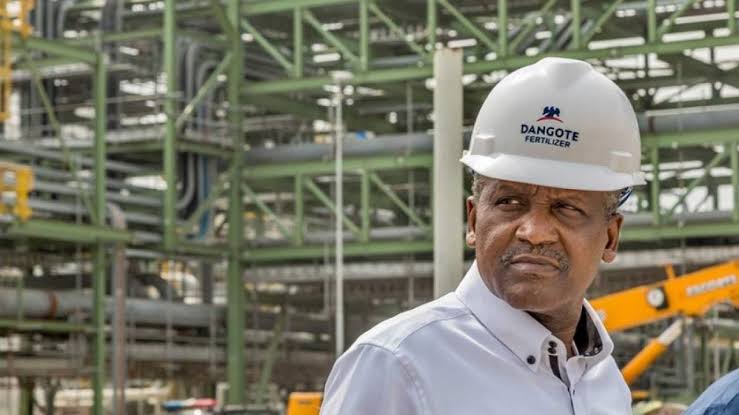
African nations are increasingly relying on Nigeria’s Dangote Petroleum Refinery and Petrochemicals as a critical source of fuel amid global supply disruptions. The Lagos-based facility, which processes 650,000 barrels per day, has become a key lifeline for countries facing uncertainties in the Middle East.
According to Bloomberg, governments across the continent, notably South Africa, have begun engaging aggressively with the refinery to secure crude oil and refined petroleum products. The move comes as geopolitical tensions from the ongoing US-Israel conflict with Iran threaten traditional supply routes.
“Availability is the priority, not pricing,” said Aliko Dangote, Chairman of the Dangote Group, in a recent interview. With Middle Eastern exports becoming increasingly volatile, the refinery’s proximity and capacity are now crucial for regional energy security.
South Africa has formally indicated plans to diversify its fuel sources to reduce reliance on Persian Gulf imports. A government spokesperson confirmed that strategies are underway to secure supply contracts and manage potential risks to local markets.
Other African countries are reportedly following suit, seeking stable fuel supply agreements to prevent local shortages. The Dangote Refinery’s emergence as a regional hub allows the continent to lessen dependence on distant conflicts, ensuring continued economic activity despite global disruptions.
Since its launch, the $21 billion facility in Lekki has helped stabilize Nigeria’s domestic fuel market, supplying petrol, diesel, and aviation fuel while easing recurrent shortages. While prices remain relatively high, the refinery has provided a buffer against external shocks, demonstrating the strategic importance of homegrown energy infrastructure.