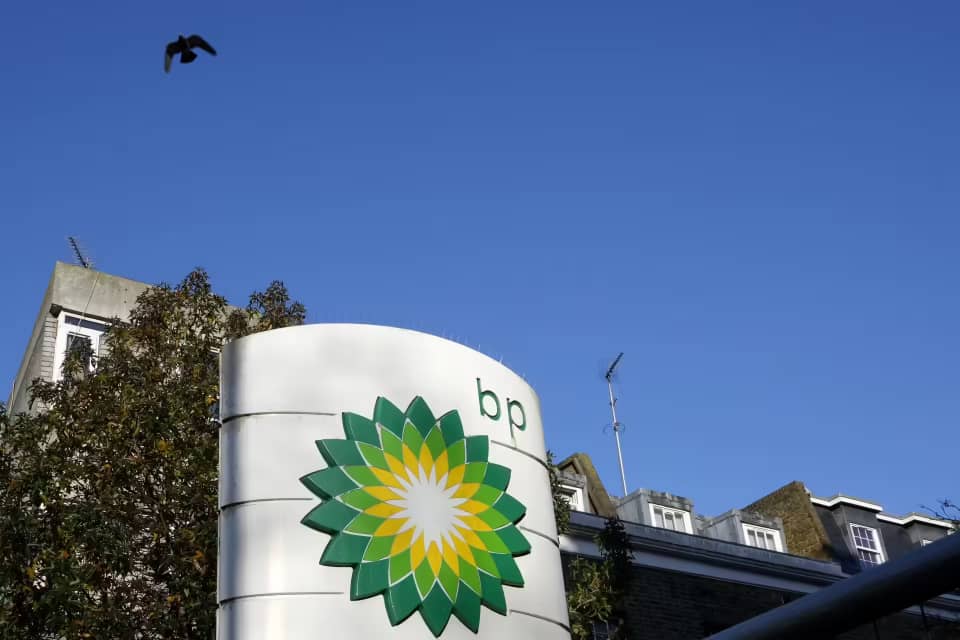
BP is preparing to simplify its organisational setup by regrouping its operations into two core divisions – upstream and downstream as part of changes introduced by its new chief executive, Meg O’Neill.
A company spokesperson confirmed the plan on Tuesday, saying the move is aimed at creating a leaner and more efficient structure focused on value delivery. No timeline has yet been announced for when the reorganisation will take effect.
The decision marks a return to a structure BP used before 2020, when former CEO Bernard Looney reshaped the company to support a major shift toward renewable energy and low-carbon businesses. That strategy drew mixed reactions from investors and prompted calls for a clearer focus on core oil and gas operations.
Currently, BP operates through three major units: a gas and low-carbon division, an oil production and operations arm, and a customers and products segment responsible for fuel sales, retail stations and lubricants.
Recent leadership changes also signal a broader shake-up. Emma Delaney has stepped down from her role leading the customers and products business and is set to become chief executive of OMV later this year.
Meanwhile, BP recently appointed Carol Howle as deputy CEO, placing her in charge of portfolio review, strategy development, and oversight of supply, trading and shipping activities.
The restructuring echoes suggestions previously made by activist investor Elliott, which holds a stake of just over 5% in BP and had advocated for a clearer separation between upstream and downstream operations.
Industry observers say the move reflects a broader effort by BP’s new leadership to streamline decision-making and refocus on traditional business strengths while it reassesses its long-term strategy.