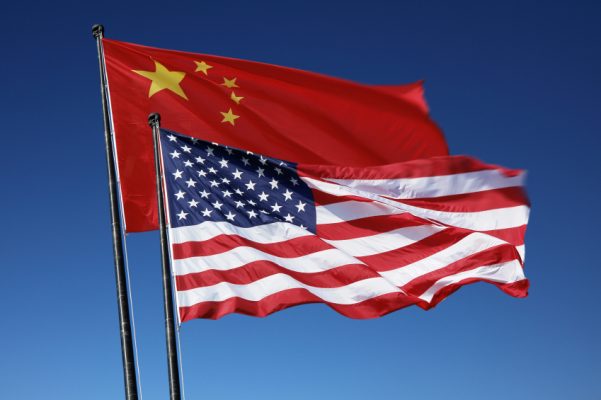
A fresh dispute has emerged between the United States and China after Washington imposed sanctions on several Chinese oil refineries accused of processing crude supplied by Iran.
The U.S. Treasury announced the measures in April, alleging that the affected refineries have helped Tehran earn substantial revenue by refining its oil in defiance of existing restrictions aimed at limiting Iran’s petroleum exports.
In response, China’s Ministry of Commerce activated its 2021 Blocking Rules for the first time, directing companies within its jurisdiction to ignore the U.S. sanctions. Beijing argued that the American action violates international law and amounts to interference in China’s internal affairs.
Chinese authorities further relied on the country’s Anti-Foreign Sanctions Law to instruct domestic firms to continue dealing with the targeted refineries, creating a legal conflict for multinational companies and financial institutions operating in both countries.
Businesses that comply with U.S. sanctions risk breaching Chinese law and facing penalties such as fines or operational restrictions. At the same time, those that follow Beijing’s directive could be exposed to U.S. secondary sanctions, including the possibility of losing access to the dollar-based financial system.
Among the refineries covered by China’s protection order is the Dalian facility operated by Hengli Petrochemical. The list also includes four independent processors often called “teapot” refineries: Shandong Jincheng Petrochemical, Hebei Xinhai Chemical, Shouguang Luqing Petrochemical, and Shandong Shengxing Chemical.
These smaller refineries are known to be major buyers of discounted Iranian crude, providing an important outlet for Tehran amid U.S. efforts to curb its oil earnings.
Analysts warn that the situation could escalate if U.S. sanctions are extended to Chinese banks involved in settling payments for Iranian oil transactions, potentially disrupting global energy trade and financial flows.
The development comes ahead of a planned meeting between U.S. President Donald Trump and Chinese President Xi Jinping, adding another layer of strain to relations between the two economic powers.
With both sides standing firm, the standoff underscores the growing challenges faced by global companies navigating conflicting sanctions regimes.