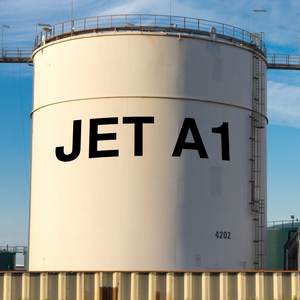
Aviation fuel prices in Nigeria have continued to rise above the recommended range set by the Nigerian Midstream and Downstream Petroleum Regulatory Authority, with airlines reportedly paying as much as ₦2,230 per litre despite official guidance suggesting lower figures.
The regulator had earlier advised that Jet A1 should trade between about ₦1,760 and ₦1,988 per litre in Lagos and around ₦2,037 per litre in Abuja, following consultations with industry players. The advisory was intended to reflect market conditions and stabilise pricing across the aviation fuel value chain.
However, market checks show that actual selling prices remain significantly higher than the advisory band. Industry operators say demand pressure and the role of multiple intermediaries between depots and airlines are driving up costs, creating a widening gap between suggested and actual prices.
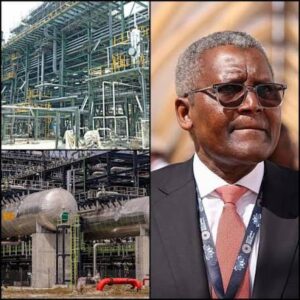
Despite local availability of aviation fuel from the Dangote Petroleum Refinery at about ₦1,800 per litre at the gantry, the final cost paid by airlines continues to rise due to markups added along the distribution chain.
Stakeholders warn that these added layers are increasing operational costs for airlines and could eventually lead to higher airfares if the situation persists. They also argue that the pricing structure lacks transparency, making it difficult to track how costs accumulate from refinery to end users.
Olatide Jeremiah, Chief Executive Officer of Petroleumprice.ng, called for greater transparency in the market, urging producers to publish daily pricing to reduce excessive margins and limit unnecessary price hikes.
Airline operators have also expressed concern over rising costs. A spokesperson for United Nigeria Airlines, Chibuike Uloka, said aviation fuel is a major cost driver and that prices have climbed sharply in recent months, placing heavy pressure on airline operations.
He explained that fuel expenses per flight have increased significantly, with some operators now spending several times more than earlier in the year depending on aircraft type and route.
Capt. Ado Sanusi, Managing Director of Aero Contractors, also called for a clearer pricing structure that would allow airlines to understand refinery prices, landing costs, and distribution expenses, arguing that transparency would help reduce exploitation in the sector.
Meanwhile, the Aviation Round Table Initiative has urged the Federal Government to intervene urgently with a stabilisation plan to prevent further strain on domestic airlines.
In a proposal sent to President Bola Tinubu and Aviation Minister Festus Keyamo, the group suggested temporary fuel support measures, short-term financial assistance for airlines, and reforms to reduce multiple charges affecting ticket prices.
It also recommended stronger oversight of pricing across the supply chain and the introduction of a long-term framework to protect the aviation sector from sudden energy price shocks.
Industry stakeholders warn that without urgent action, rising Jet A1 costs could continue to weaken airline operations and increase pressure on Nigeria’s already fragile aviation sector.