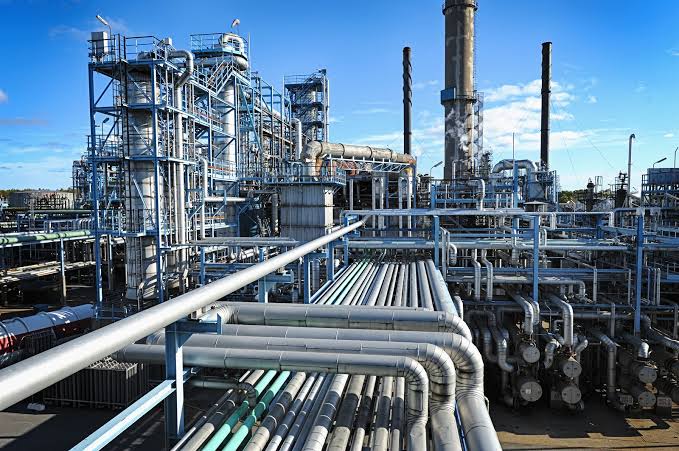
Ghana is stepping up efforts to strengthen its oil and gas sector with a new offshore development drive worth about $3.5 billion aimed at reversing declining production and attracting fresh investment.
The programme focuses on key oil assets including the Jubilee Field, TEN Field, and Offshore Cape Three Points, where partners are expected to ramp up exploration and boost output through coordinated development efforts.
Beyond oil, Ghana is also balancing its energy strategy with cleaner alternatives. Energy and Green Transition Minister John Abdulai Jinapor is pushing plans that include battery energy storage systems to stabilise the grid and improve renewable energy integration. The country is also expanding rural electrification through initiatives such as the Scaling-Up Renewable Energy Program.
In the long term, Ghana is exploring nuclear power as part of its energy mix. A safety review by the International Atomic Energy Agency in 2025 confirmed progress in site selection for the country’s first nuclear plant.
Meanwhile, Nigeria is reporting strong investor confidence in its upstream oil sector. The Group Chief Executive of NNPC Limited, Bashir Bayo Ojulari, disclosed that reforms by the Nigerian Upstream Petroleum Regulatory Commission have attracted more than $24 billion in investments.
Speaking at the Oloibiri Lecture & Energy Forum 2026 in Abuja, Ojulari said the inflows came from efforts to resolve asset disputes and unlock stalled projects.
Regulators including Oritsemeyiwa Eyesan and Saidu Mohammed stressed that Nigeria’s ambition to raise oil and gas output will depend on stronger financing, technology adoption, and regulatory efficiency.
Both Ghana and Nigeria are now pushing reforms aimed at boosting production while adapting to global energy transition pressures.