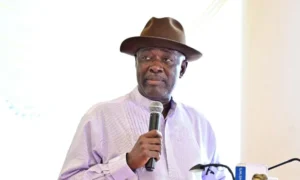
Nigerian billionaire businessman Femi Otedola has pledged $100 million toward the upcoming private placement of the Dangote Refinery, signaling his formal entry into one of Africa’s biggest energy projects ahead of its planned stock market listing.
The investment comes as the refinery prepares to raise about $2 billion from private investors before launching an initial public offering (IPO). Otedola disclosed the move after leading senior executives from First HoldCo on a visit to the massive refinery complex located in the Lekki Free Zone in Lagos.
The announcement marks a shift from Otedola’s earlier position regarding the refinery. In recent weeks, reports had circulated claiming that some of Nigeria’s leading businessmen, including Tony Elumelu and Mike Adenuga, either financed the refinery project during construction or were approached for support by Aliko Dangote.
Otedola had publicly rejected those claims at the time, insisting he had no financial involvement in the refinery and describing the reports as attempts to create friction among prominent Nigerian business leaders.
His latest commitment, however, officially positions him among the refinery’s incoming shareholders as the company moves closer to public ownership.
Industry observers say the investment could offer strategic advantages for Otedola, especially if he acquires shares before the refinery’s public listing at a lower valuation. The billionaire recently disclosed that he sold his stake in Geregu Power Plc partly to free up capital for the refinery deal.
Last year, Dangote indicated that up to 10 percent of the refinery could eventually be offered to investors during the IPO process. Market estimates have suggested the business could be valued at around $50 billion once listed.
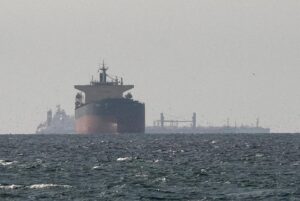
The 650,000 barrels-per-day refinery, which reportedly cost between $20 billion and $23 billion to build, has become a major force in Nigeria’s downstream oil sector. Analysts believe the facility could significantly reduce Africa’s dependence on imported refined petroleum products while reshaping fuel supply across West Africa.