Africa is set to witness a surge in oil and gas investment with the launch of the African Energy Bank, which aims to provide $10 billion in funding for strategic energy projects across the continent. The announcement was made by Farid Ghezali, Secretary-General of the African Petroleum Producers’ Organisation (APPO), during the opening of the 9th Nigeria International Energy Summit 2026 in Abuja.
The initial phase of the bank’s operations will focus on Nigeria, Angola, and Libya, targeting developments across upstream, midstream, and downstream sectors. According to Ghezali, the fund will help revive stalled projects, attract international investors, and strengthen Africa’s energy self-sufficiency.
“Energy is the engine of peace and prosperity. Africa has immense resources, yet we still export roughly 70% of crude oil and 45% of natural gas, missing out on an estimated $15 billion in annual value that could be generated locally,” Ghezali said. He stressed that high borrowing costs in Africa, often ranging from 15 to 20 percent compared to 4–6 percent in Asia, have slowed development of critical energy infrastructure.
The African Energy Bank is designed to address these financing challenges by providing structured funding, access to global capital markets, and support for projects that meet environmental, social, and governance standards.
Phase 2, planned for 2027, will introduce a regional gas trading hub with 50 percent local content in projects, while Phase 3, projected for 2030, aims to transform the bank into a $212 billion financial hub supporting energy transition across the continent.
The bank is expected to unlock up to $200 billion for midstream and downstream projects by 2030, create 500,000 direct jobs, and standardize regional pricing for oil and gas. It will also facilitate the listing of national energy companies and attract sovereign wealth funds to support development initiatives.
Anibor Kragha, Executive Secretary of the African Refiners & Distributors Association, highlighted the importance of local refining and gas processing to strengthen energy security, boost regional trade, and protect local currencies.
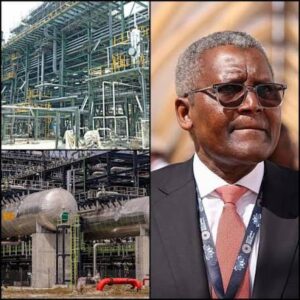
He praised Nigeria’s progress in refining and petrochemical projects, citing initiatives like the Dangote Petrochemical refinery as examples of innovation driving industrial growth.
The African Energy Bank, set to launch in Abuja in the first half of 2026, seeks to unify financing efforts, improve regulatory coordination, and support the continent’s transition to sustainable energy solutions, including low-carbon fuels for shipping and aviation.
By pooling resources and providing direct access to investors, the bank aims to reduce Africa’s reliance on energy imports, stimulate industrialisation, and ensure that the continent fully benefits from its energy resources.