The African Energy Bank (AEB) is being positioned to mobilise up to $15 billion by 2030 to support oil and gas development across Africa, according to the Association of Petroleum Producers’ Organisation (APPO).
APPO disclosed that the bank, which is expected to become fully operational in June 2026 with headquarters in Abuja, will focus on financing critical energy infrastructure and could generate more than 500,000 direct jobs, particularly within the continent’s midstream sector.
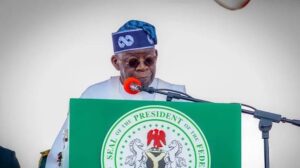
Speaking at the opening ceremony of the 2026 Nigeria International Energy Summit (NIES) held at the State House in Abuja, APPO Secretary-General Farid Ghezali explained that the bank was created to address Africa’s persistent financing gaps in the energy industry.
The African Energy Bank is a joint initiative of APPO member countries and the African Export-Import Bank (Afreximbank). It was launched with an initial capital base of $5 billion and is designed to reduce Africa’s dependence on foreign funding while promoting regional investment in energy projects.
Ghezali noted that the bank’s mandate includes harmonising intra-African pricing for oil and gas, a move that could lower energy import costs for member states by as much as 30 per cent, translating to potential savings of $1.4 billion annually for the continent.
Despite Africa’s vast energy resources, Ghezali described the current situation as paradoxical, pointing out that the continent exports about 70 per cent of its crude oil and 45 per cent of its natural gas, resulting in estimated annual losses of $15 billion.
He identified limited access to financing as a major obstacle, stating that over 150 key energy projects, including refineries, pipelines and gas infrastructure such as the Ajaokuta–Kaduna–Kano (AKK) gas pipeline, remain stalled due to funding constraints.
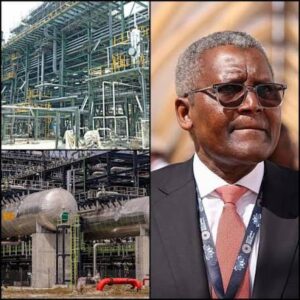
According to him, the AEB aims to unlock up to $200 billion needed for Africa’s midstream and downstream projects by the end of the decade. The bank will also provide opportunities for listing shares of national oil companies and major energy assets, including large-scale projects like the Dangote Refinery.
In addition, the bank plans to connect certified African energy projects to global capital markets, sovereign wealth funds and private investors through structured financing and public-private partnerships.
Meanwhile, Chairman of the Independent Petroleum Producers Group (IPPG), Adegbite Falade, stressed the need for Nigeria to build a resilient and self-sustaining energy industry focused on local value creation rather than raw exports.
Falade said Nigeria’s oil and gas sector had recorded notable improvements since the 2025 edition of the summit, with increased crude output, stronger gas production and a growing role for indigenous operators.
He revealed that local producers now account for over 50 per cent of national oil production, supported by better export pipeline availability, reduced crude losses and improved regulatory implementation under the Petroleum Industry Act (PIA).
However, he urged the Federal Government to deepen reforms by reducing bureaucracy, streamlining fees, ensuring policy stability and improving access to affordable long-term capital to keep the industry competitive and boost its contribution to economic growth.