Angola is preparing to conclude a $400 million debt-for-education swap by June as part of efforts to reduce borrowing costs while increasing spending on social services.
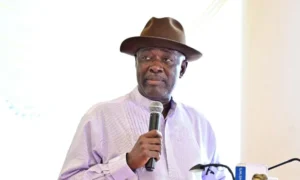
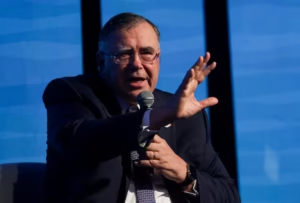
Finance Minister Vera Daves de Sousa said the arrangement, supported by guarantees from the World Bank, will allow the country to replace expensive commercial debt with more affordable financing and channel the resulting savings into education projects.
Speaking on the sidelines of the IMF–World Bank Spring Meetings in Washington, she explained that the deal is being structured through a commercial bank and is designed both to improve Angola’s debt profile and to free up resources for schools and learning infrastructure.
The move reflects Angola’s broader fiscal strategy, which is closely tied to oil revenue performance. The government continues to rely heavily on crude earnings to support its budget and manage public finances.
The 2026 budget is based on an oil price benchmark of about $61 per barrel and production of roughly 1.05 million barrels per day, leaving an expected deficit of about 2.8% of GDP.
However, higher oil prices could significantly improve the fiscal position, with officials noting that prices around $80 per barrel would sharply reduce the deficit, while levels above $90 could bring the budget close to balance.
Alongside the debt swap, Angola has been working to strengthen investor confidence. Last month, it returned to international capital markets with a $2.5 billion Eurobond sale. The country has also restructured a $1 billion loan with JPMorgan Chase and secured an additional $500 million in financing to support liquidity.
Authorities say future borrowing decisions will remain closely linked to oil earnings and overall fiscal conditions, while a wider tax reform package is also being prepared for parliament.