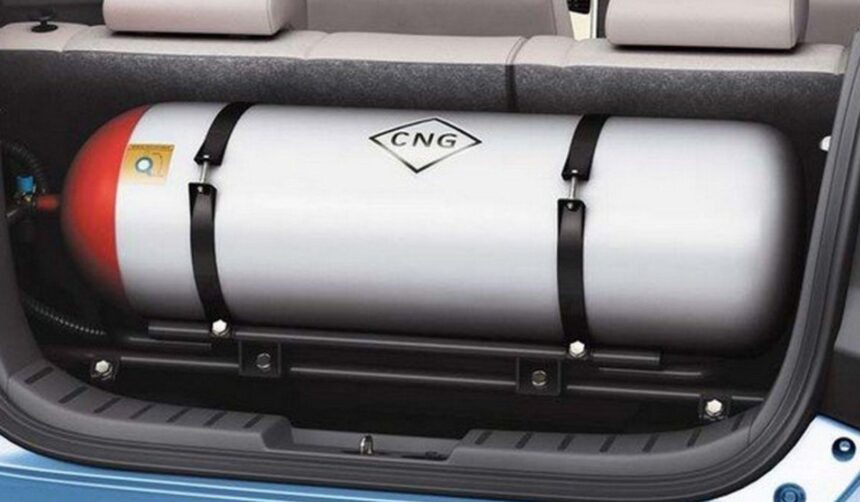
In a bold step toward cleaner, cheaper transportation, the Nigerian Army has joined forces with the Presidential Compressed Natural Gas Initiative (PCNGI) to kickstart a nationwide shift from petrol to compressed natural gas (CNG).
At a ceremony in Abuja, PCNGI handed over five brand-new CNG buses to the Army, marking the beginning of a strategic partnership designed to reduce fuel costs, cut carbon emissions, and unlock the country’s massive gas potential.
“Nigeria is a gas country that happens to have some oil,” said Engr. Michael Oluwagbemi, CEO of PCNGI. “We flare over a billion cubic feet of gas every single day. That’s energy we’re literally burning into the air.”
Despite having over 208 trillion cubic feet of natural gas reserves, Nigeria uses only a small fraction of it domestically. Most of it is either exported or wasted through flaring and reinjection. The PCNGI aims to change that by making natural gas a central part of the nation’s transport system—starting with the military.
As part of the partnership, 5,000 Army personnel will have their vehicles converted to run on CNG at no cost. Specialized fueling stations will also be set up at military bases to ensure easy access. In addition, Army-operated conversion centers will receive free equipment and full integration into the national conversion program.
But the collaboration goes beyond just vehicles.
According to Oluwagbemi, the initiative will also train soldiers and their families in CNG-related skills, creating new job opportunities and economic empowerment within military communities. “This is about building a more resilient, cost-effective transport system—and the Army is leading by example,” he said.
He also hinted at future possibilities, noting that gas if properly harnessed could fuel more than just vehicles. Countries like China and the U.S., he said, are using gas-powered crypto mining to support their economies. Nigeria, with thousands of untapped gas wells, has the same potential.
“This isn’t just about saving money at the pump,” Oluwagbemi said. “It’s about creating a new energy future for Nigeria, cleaner, smarter, and made in Nigeria.”