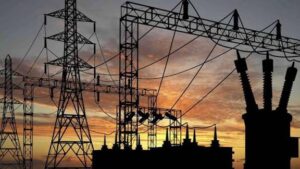
Brazil has officially linked Roraima, its only state previously outside the national electricity system, to the country’s power grid—a move President Luiz Inácio Lula da Silva hailed as a milestone for both energy security and regional integration.
The connection is expected to save the government about 600 million reais ($111 million) annually by reducing reliance on expensive diesel-fired plants that supplied much of Roraima’s electricity. It will also lower carbon emissions, since Brazil’s grid is largely powered by renewable energy sources.
“This interconnected system is a global model,” Lula said during the announcement. He argued that greater integration across South America could prevent future blackouts or shortages, noting that Roraima had also depended at times on electricity imported from Venezuela.
Long-Delayed Project
The transmission line that now links Roraima to the rest of Brazil has been in development for more than 14 years. Its construction was repeatedly delayed over environmental concerns, particularly because the route crosses Indigenous territories.
Lula sought to reassure affected communities, promising that Indigenous residents would benefit not only from improved power access but also from expanded internet connectivity. “We don’t want anyone left behind,” he said.
Regional Implications
While the grid connection is still undergoing final testing, officials say it will provide more reliable power for homes and businesses in Roraima and reduce Brazil’s dependence on costly and polluting stopgap measures.
The initiative also fits into Lula’s broader push for energy cooperation across the continent, as governments seek affordable, secure, and greener alternatives to fossil fuels.
($1 = 5.40 reais)