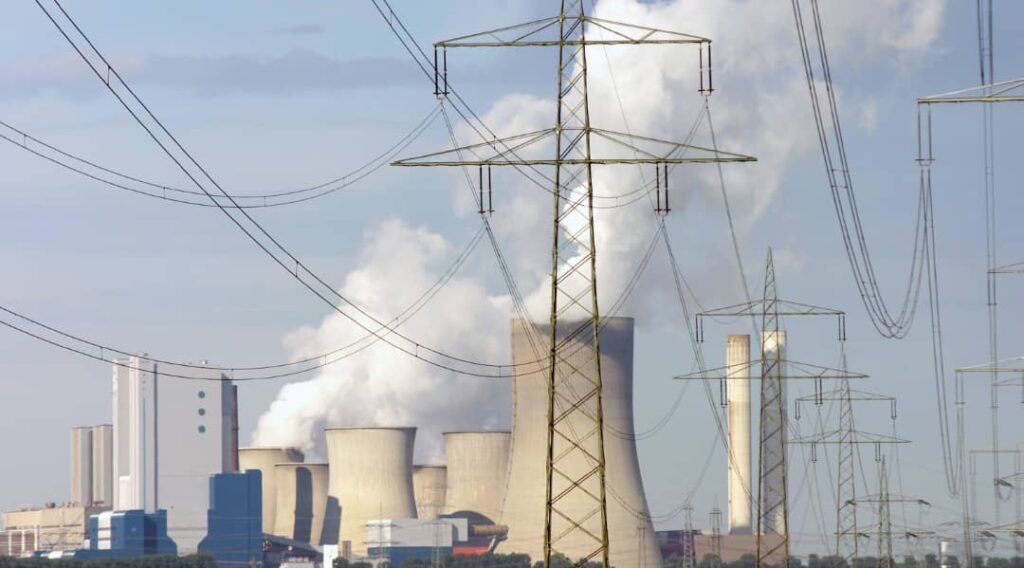
China is rapidly reshaping its power system with an immense network of ultrahigh-voltage (UHV) transmission lines designed to move clean energy across vast distances and meet its growing electricity needs.
One of the most impressive of these lines runs more than 2,000 miles from the solar- and wind-rich deserts of Xinjiang in the northwest to Anhui Province near Shanghai. It delivers enough energy to power tens of millions of homes and symbolizes the country’s effort to connect renewable-rich regions with industrial hubs in the east.
China now operates 42 of these ultrahigh-voltage lines — each capable of carrying more electricity than any existing U.S. transmission line. The use of advanced direct current technology makes them far more efficient, with minimal power loss over long distances.
This rapid grid expansion supports China’s push to meet booming electricity demand from its electric vehicles and high-speed rail network. Nearly half of new cars sold in the country are battery-powered, while wind and solar energy already provide over 25 percent of national power generation.
Because most renewable energy is produced far from China’s densely populated coastal provinces, the new grid is essential to ensure steady power supply. The government’s planners are now racing to link the entire nation through a web of UHV lines.
China’s progress has exceeded expectations — it reached its 2030 renewable energy goals six years early. The State Grid Corporation is now expanding infrastructure to handle the surge in green power.
Communities living near the massive lines, however, report side effects such as mild electric shocks and static electricity. Despite these concerns, most residents accept the projects as vital for national development.
Compared to the West, China’s centralized system enables rapid construction with minimal opposition. In countries like the United States, similar projects face long permitting delays and land-use disputes.
The massive investment has helped China cut air pollution and reduce coal use in major cities. Since 2014, air quality has improved dramatically, extending life expectancy nationwide.
By mid-century, China aims to triple the size of its UHV network again — a move that could reinforce its leadership in global clean energy and play a key role in reducing carbon emissions worldwide.