Authorities in China have reportedly directed domestic refineries to suspend exports of refined fuel for the month of March, a move that could tighten supplies in countries that depend heavily on Chinese fuel shipments.
The directive, issued by officials in Beijing, was communicated to traders with a request to delay or cancel previously scheduled export cargoes. While the government has not publicly announced the decision, industry sources and market analysts say the instruction has already begun affecting trading activity.
The development could pose challenges for Australia, which relies largely on imported aviation fuel. Chinese refineries accounted for roughly 32 per cent of Australia’s jet fuel imports in 2025, making the country the largest external supplier for the aviation sector.
Despite the halt, the immediate impact may not be felt for several weeks because fuel shipments from North-East Asia and India typically take up to 25 days to reach Australian ports.
Concerns over fuel security have been growing in recent days as global energy markets react to escalating tensions in the Middle East. The conflict involving Iran, the United States and Israel has already contributed to rising fuel prices worldwide.
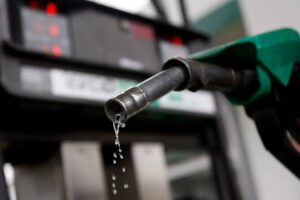
In Australia, petrol prices have climbed above $2 per litre nationwide, while some regional areas have reported temporary supply shortages.
Australia’s Climate and Energy Minister, Chris Bowen, told parliament that he could not guarantee the country would avoid a fuel shortage. However, he said current pressure on supply was largely driven by panic buying rather than a sudden drop in fuel imports.
Bowen urged motorists to purchase only the fuel they need and warned against stockpiling petrol in containers, describing the practice as dangerous.
To ease supply concerns, the Australian government has temporarily relaxed fuel quality regulations for 60 days, allowing the use of petrol with slightly higher sulphur content. Officials say the measure could increase domestic supply by about 100 million litres per month.
Authorities have also adjusted national fuel reserve requirements, reducing mandatory diesel stockpiles from 2.7 billion litres to 2.2 billion litres, while petrol reserve requirements will drop from 1 billion litres to 700 million litres.
Meanwhile, Australia’s Resources Minister, Madeleine King, is currently in Japan holding talks with international partners aimed at strengthening fuel security and addressing global supply challenges.