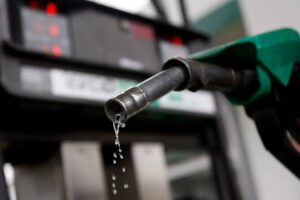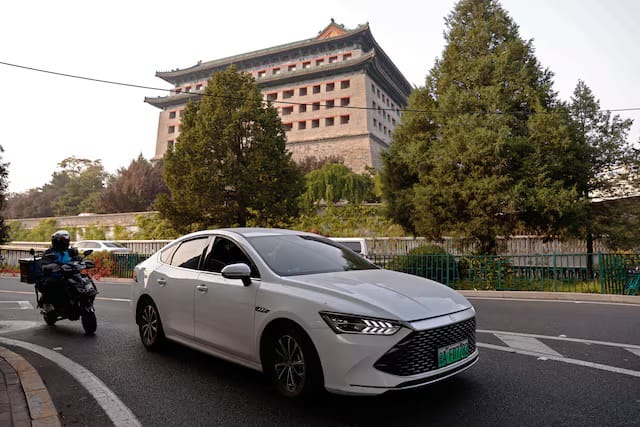
China is increasingly relying on electric taxis and ride-hailing vehicles to lessen the impact of rising fuel costs, as higher global oil prices encourage more commuters to leave their petrol-powered cars at home.
The shift comes amid market uncertainty caused by tensions around the Strait of Hormuz, which pushed up crude oil prices and raised transport fuel costs. Rather than discouraging travel, the higher fuel prices have encouraged more people to use taxis and ride-hailing services, where fares have remained relatively low.
Government figures showed that taxi and ride-hailing services recorded 3.05 billion trips in May, representing a six per cent increase compared with the same period last year. Analysts attribute the growth to a combination of cheaper electric vehicles, increased competition among drivers and falling ride fares.
Many drivers say earnings have come under pressure because more people have joined ride-hailing platforms. However, commuters have benefited from lower fares, with many saying it is now cheaper to use a taxi than to drive a petrol-powered vehicle, especially after factoring in fuel and parking costs.
China’s growing electric vehicle fleet has also reduced the country’s dependence on oil. About half of the country’s 1.3 million taxis are now electric, while major cities have almost fully transitioned to electric taxi fleets.
Ride-hailing company Didi has also expanded its fleet of electric and hybrid vehicles, adding around two million such vehicles last year. The company said non-fossil fuel vehicles now account for about eight million cars on its platform, with electric vehicles responsible for roughly 75 per cent of total mileage.
The transition has contributed to lower fuel consumption. In May, China’s gasoline demand fell by 10 per cent from a year earlier, while diesel consumption declined by 14 per cent despite continued growth in road freight and holiday travel.
Environmental group Greenpeace projects that electric vehicles will account for about 90 per cent of taxi and ride-hailing mileage in China by 2035, reflecting the country’s continued push toward cleaner transportation.
Analysts at J.P. Morgan said the recent geopolitical tensions may have accelerated an existing shift toward electric mobility, making China’s transport sector less vulnerable to oil price shocks. The bank expects gasoline demand to continue declining in 2027, although at a slower pace than this year.
Despite the recent easing in fuel prices, many hybrid vehicle owners say they continue to rely on battery power whenever petrol becomes expensive, highlighting the growing role of electric transport in China’s changing energy landscape.