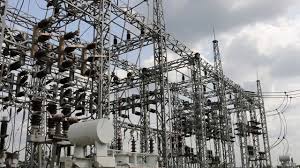
Nigerian electricity users are raising alarms over frequent tariff hikes and unreliable power, urging the Nigerian Electricity Regulatory Commission (NERC) to uphold its mandate to ensure consistent service.
These issues were highlighted in a survey conducted by the Nigerian Institute of Social and Economic Research (NISER) and shared at a seminar in Ibadan themed “Balancing Electricity Tariffs and Consumers’ Wallets: Insights from Nigerian Households and Firms’ Ability to Pay.”
The report shows households currently receive only about 10 hours of electricity per day, far short of the 20 hours promised by providers. At the same time, monthly electricity costs for households have nearly doubled, increasing from N17,647.49 to N34,942.04.
Dr. Iyabo Olanrele, who presented the findings, said businesses are also heavily impacted, with some spending as much as 82 per cent of their monthly revenue on electricity-related expenses. Although nearly 88 per cent of respondents noted some improvement in supply, it still does not meet daily requirements.
The study further revealed that 67.5 per cent of firms view the tariff increases as unaffordable, with companies that have high input costs being the hardest hit, while older firms appeared better able to cope.
To mitigate the impact, households are increasingly turning to solar panels, inverters, and energy-saving appliances, though many still find these options expensive. Businesses are adopting renewable energy solutions, efficiency measures, and modern technologies, though some remain undecided on long-term strategies.
Prof. Antonia Simbine, NISER’s Director-General, explained that the seminar aligns with the Federal Government’s Renewed Hope Agenda, which prioritizes energy security, affordability, and sustainability to support Nigeria’s economic growth. She stressed that electricity challenges affect not just households but also industrial productivity and national progress.
Experts recommended that NERC enforce minimum service standards for distribution companies before approving further tariff increases, ensuring investments in infrastructure to improve reliability.