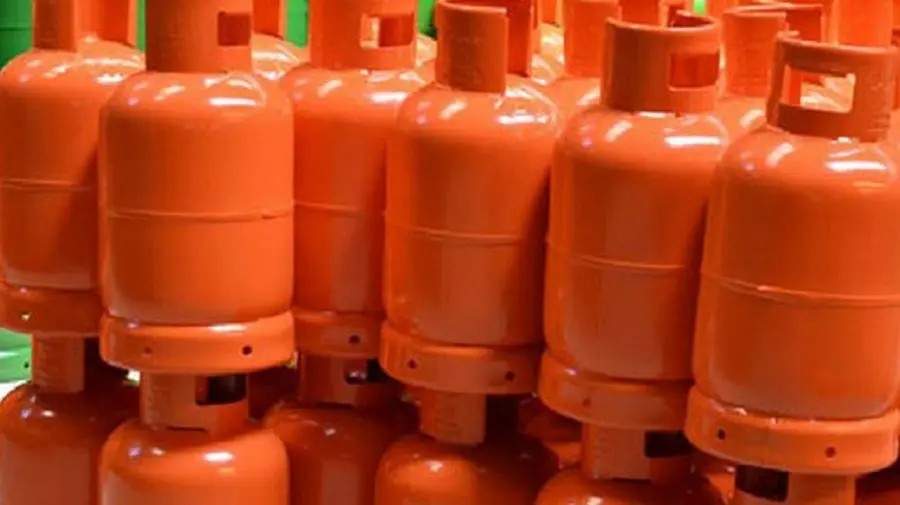
Retail prices of cooking gas have started falling in several parts of Nigeria following improved product availability and lower depot prices, offering some relief to households struggling with high energy costs.
Recent market checks show that Liquefied Petroleum Gas (LPG) is now selling for between ₦1,100 and ₦1,350 per kilogramme in cities such as Lagos, Ibadan and Abeokuta. In Benin City, Port Harcourt and Warri, prices range from ₦1,150 to ₦1,400 per kilogramme, while consumers in Onitsha, Enugu and Abuja continue to pay slightly higher rates.
According to the , northern states still record the highest prices due to transportation and distribution challenges. Cooking gas sells for between ₦1,300 and ₦1,550 per kilogramme in Kano and Kaduna, while prices in Maiduguri and parts of the North-East can reach ₦1,650 per kilogramme.
The association’s president, , said the decline follows improved supply from both local producers and imported cargoes. He added that lower depot prices, increased competition among marketers and reduced panic buying have also contributed to the downward trend.
The latest development marks a turnaround from the sharp price increases recorded in May and early June, when supply shortages and rising depot costs pushed cooking gas prices to record levels across the country.
Based on current retail prices, refilling a 5kg cylinder now costs between ₦5,500 and ₦8,250, while a 6kg cylinder costs about ₦6,600 to ₦9,900. Consumers refilling a 12.5kg cylinder are expected to pay between ₦13,750 and ₦20,625, depending on their location and retailer.
Despite the decline, marketers noted that prices remain uneven nationwide because transportation expenses and distribution costs vary across regions, especially in communities located far from major LPG depots.
Meanwhile, the ‘s LPG Retailers Branch said neighbourhood retailers are currently buying cooking gas from plant operators at between ₦1,300 and ₦1,500 per kilogramme and selling to consumers for ₦1,600 to ₦1,800 per kilogramme, depending on logistics and operating costs.
Industry stakeholders expressed optimism that sustained local production and steady imports will continue to improve supply and help moderate prices further in the coming weeks, provided there are no major disruptions to the supply chain.