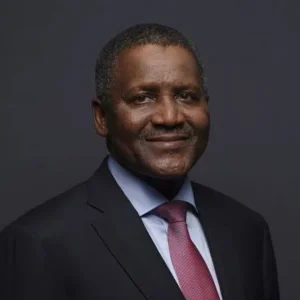
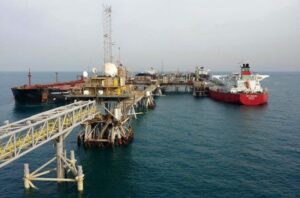
Aliko Dangote has confirmed that his planned East African oil refinery will be built in Lamu, Kenya, bringing an end to months of speculation over where the multi-billion-dollar project would be located.
The announcement was made by Edwin Devakumar, Vice President for Oil and Gas at Dangote Industries Limited, who said the refinery is designed to process 700,000 barrels of crude oil per day. Construction is expected to take about 30 months.
The project will replicate the scale of the company’s refinery in Nigeria, which began operations in 2024 with a capacity of 650,000 barrels per day and is expected to expand to 1.4 million barrels per day by 2028.
Before the decision was confirmed, Kenya, Tanzania and the Kenyan port city of Mombasa had all been mentioned as possible locations for the refinery.
Dangote recently visited Tanzania, where he met President Samia Suluhu Hassan to explain the commercial and technical reasons behind choosing Lamu. He also invited Tanzania to participate in the investment.
Despite the announcement, questions remain over how the refinery will secure enough crude oil to operate at full capacity.
Kenyan President William Ruto has previously said the refinery would process crude from Kenya, Uganda, South Sudan and the Democratic Republic of Congo. However, Kenya has not yet started commercial oil production, while DR Congo’s output remains limited and is located far from the Kenyan coast.
South Sudan produces significantly more crude, but its exports have traditionally relied on pipelines through Sudan. Plans for a pipeline linking South Sudan to Lamu have faced years of delays due to regional instability.
Uganda is expected to begin oil production next year, with its crude destined for export through the East African Crude Oil Pipeline to Tanzania. However, the pipeline’s planned capacity is well below the proposed refinery’s processing volume.
Industry analysts say the project has strong regional demand because eastern and southern Africa currently lack a large-scale refinery. However, they note that developing the required supply agreements and supporting infrastructure could take years.
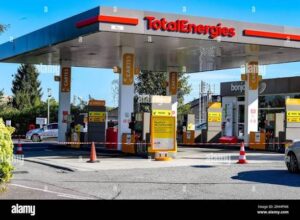
Analysts have also pointed to another challenge: Uganda’s oil developments and export pipeline are largely controlled by TotalEnergies, raising questions about whether the French energy company would supply crude to a refinery owned by a competitor.
Even so, market observers believe Dangote’s track record suggests the company sees a viable commercial opportunity, despite the hurdles that still need to be addressed before the project can move forward.