Dangote Petroleum Refinery’s $1.6 billion initial public offering (IPO) has highlighted regulatory and market challenges limiting investment across African countries, despite growing interest in allowing more Africans to participate in major business ventures.
The share sale was designed to broaden ownership of the Nigerian refinery beyond its domestic market. However, the offering was not registered as a public issue outside Nigeria, leaving investors in other African countries facing different regulatory requirements and limited access to approved investment platforms.
According to a Reuters report published on Friday, Nigeria’s Securities and Exchange Commission approved the IPO, but its authority does not extend to other countries. Investors elsewhere therefore needed to navigate their own national regulations before subscribing.
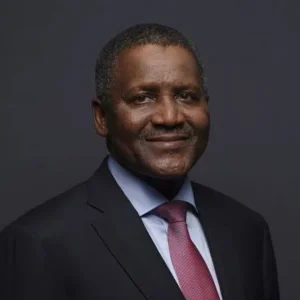
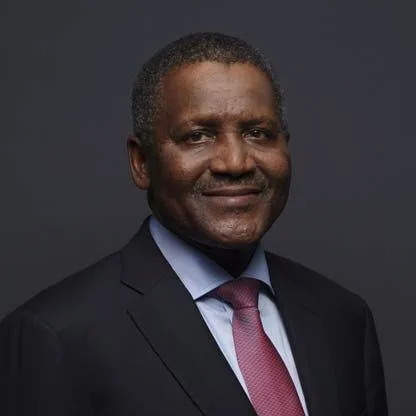
Aliko Dangote, president and chief executive of Dangote Group, described the difficulties as initial challenges that could encourage African capital-market regulators to work more closely together.
He said stronger cooperation among the continent’s financial markets would make future cross-border investments easier.
The challenges were evident in Kenya, where investors had to wait for regulatory approval to participate through Global Depositary Receipts linked to the offering. The approval came only eight days before the subscription period ended.
In Rwanda, investors were required to register with the market regulator before applying for shares, creating another step in the process. The different requirements across countries left some prospective investors unable to participate.
Kenyan financial researcher Sultan Mwangi, who had set aside $5,000 for the investment, said the experience left many interested investors disappointed.
Despite these obstacles, Dangote said demand for the shares was strong across the continent, arguing that investors in markets such as Kenya and Botswana could have subscribed to the entire offering.
He has set a target of attracting 10 million shareholders to the refinery, seeking to expand retail participation beyond the levels achieved by Saudi Aramco during its 2019 listing.
The offering also illustrates the potential for African savings to finance large industrial projects. Development Re-imagined consultancy chief executive Hannah Ryder said the transaction was significant because it raised substantial domestic funding for a manufacturing asset, although its regional reach fell short of its original ambition.
The African Development Bank has also been promoting ways to mobilise local savings for development projects, particularly as external aid declines. However, limited market liquidity and differences in financial regulations continue to complicate efforts to channel funds across borders.
Access to the Dangote IPO was also restricted by the number of available investment channels. The prospectus listed Ecobank and SBG Securities as intermediaries for African investors, compared with 53 channels available to Nigerian subscribers, including banks, brokerages and trading applications.
Ecobank said it was receiving encouraging interest from investors in East, West and Central Africa. Meanwhile, fintech companies have argued that digital investment platforms and nominee arrangements can help eligible investors overcome geographical barriers.
Through one such arrangement, Bamboo chief executive Richmond Bassey said his platform enables eligible Africans, including Nigerians living abroad, to access the offering through a licensed nominee in Nigeria.
The minimum subscription was set at 10 shares for ₦5,250, or approximately $3.96, making the offer accessible to small investors.
However, investor opinion remains divided over the refinery’s valuation and potential returns. Some see opportunities for future growth from petrochemicals and other products, while others believe alternative investments could deliver better returns.
Dangote said he hopes the planned refinery project in Lamu, Kenya, will also be listed on the Nairobi Securities Exchange and made accessible to investors across Africa, helping strengthen links between the continent’s capital markets.