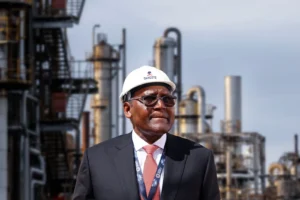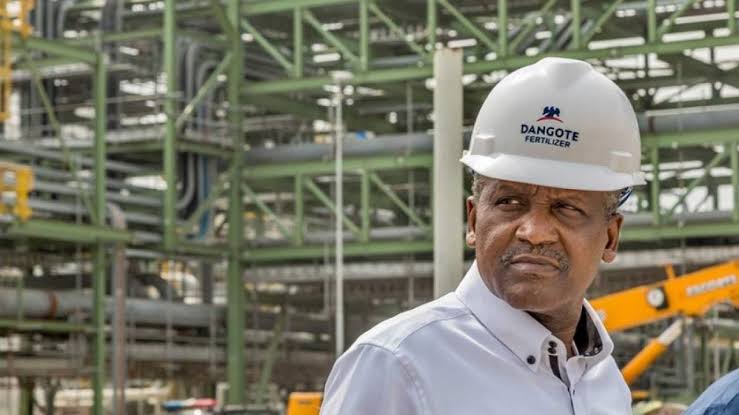
The Dangote Petroleum Refinery has cautioned petroleum marketers after observing a growing number of faulty and leaking tankers arriving at its loading area, warning that the trend poses a serious safety risk to its operations.
According to an internal memo issued by the refinery’s commercial operations unit, many trucks arriving to lift fuel have shown clear signs of poor maintenance, including leaking valves and loose fittings. The refinery described the situation as both “persistent and dangerous,” noting that previous penalties and repeated reminders have not stopped marketers from sending in unsafe vehicles.
The management stressed that the refinery cannot afford the fire hazards associated with leaking product, especially within such a sensitive and high-value facility. As a result, marketers have been informed that any tanker found with leaks will face stiff consequences. Beyond fines, defaulting operators risk temporary suspension from loading activities.
The refinery urged marketers to deploy only well-maintained tankers, emphasizing that safety lapses will no longer be excused. The management said the measures were necessary to protect the refinery, its workers, and the surrounding environment.
Nigeria has long struggled with the circulation of ageing and poorly serviced fuel tankers. Regulatory agencies have repeatedly called for tighter checks, but enforcement has remained weak, allowing unsafe trucks to continue operating across the country.
Tanker-related accidents remain a major national concern. Data from the Federal Road Safety Corps shows dozens of explosions in recent years, resulting in hundreds of deaths and widespread destruction. The National Emergency Management Agency also lists multiple major tanker disasters across several states, many of them worsened by people attempting to scoop fuel from accident scenes.
Industry observers say the refinery’s tougher stance may force marketers to improve their fleets, enhance routine maintenance, and comply with basic safety standards—changes that could help reduce the country’s long-running tanker safety crisis.