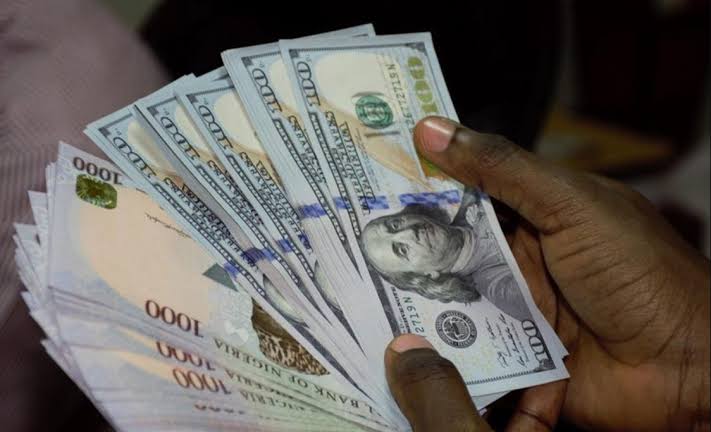
The naira faced continued pressure against the U.S. dollar, trading at N1,620.25/$ in the unofficial market, despite a notable increase in Nigeria’s oil production. The local currency’s decline is attributed to rising demand for dollars by businesses and individuals, while the stronger dollar globally also played a key role.
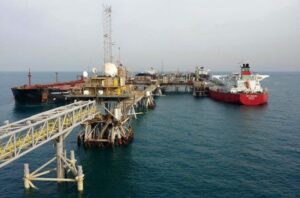
In April, Nigeria’s oil output rose to 1.486 million barrels per day, up from 1.401 million bpd in March, according to the Nigerian Upstream Petroleum Regulatory Commission (NUPRC). While this represents progress, it still falls short of Nigeria’s OPEC quota of 1.5 million bpd.
Despite the oil sector’s positive development, the naira’s struggle persists due to demand-side pressures, particularly in the unofficial market. Financial analysts noted that the dollar’s global strength, spurred by favorable trade talks between the U.S. and China, has also contributed to the naira’s depreciation.
The Nigerian government remains focused on its naira-for-crude initiative, which aims to reduce the foreign currency deficit by encouraging local refining and limiting dollar reliance. Mohammed Manga, Director of Information and Public Relations at the Ministry of Finance, highlighted that recent discussions around the initiative had yielded “positive outcomes”.
Global factors, including the strengthening of the U.S. dollar, have led to growing expectations of a September rate cut by the U.S. Federal Reserve. As markets brace for key economic data later this week, the naira’s future remains uncertain, with investors closely monitoring both domestic and international developments.