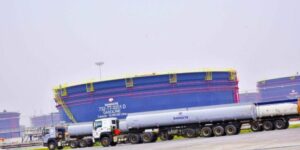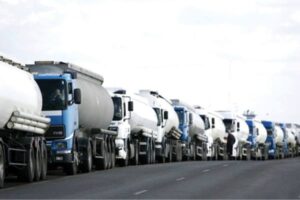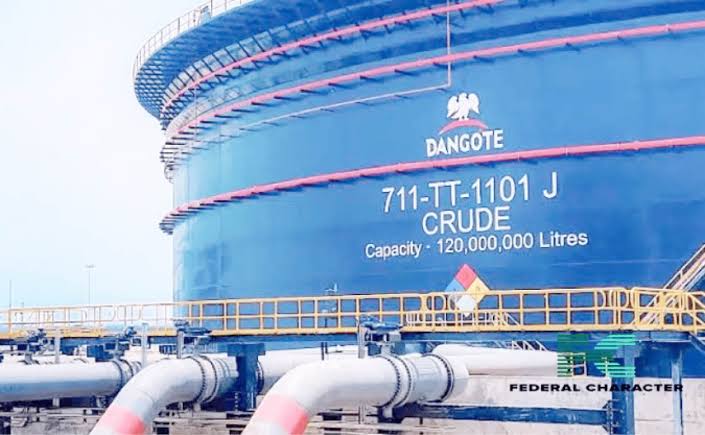
Domestic crude oil supply to Nigeria’s refineries declined to 15.84 million barrels in May 2026, down from 17.96 million barrels recorded in April, according to the latest data released by the Nigerian Midstream and Downstream Petroleum Regulatory Authority (NMDPRA).
The report showed that total crude receipts by refineries stood at 17.92 million barrels during the month, with imported crude accounting for 2.08 million barrels. Despite the decline, locally sourced crude remained the dominant feedstock, contributing about 88.4 per cent of total refinery intake.
The drop comes amid ongoing concerns over crude supply to domestic refiners and allegations by Dangote Petroleum Refinery that inadequate crude allocations are affecting its operations. The refinery recently accused government agencies and the Nigerian National Petroleum Company Limited (NNPC Ltd.) of failing to ensure sufficient crude supply, claims both the Federal Government and NNPC have denied.
According to court documents filed by the refinery, it currently receives five crude cargoes monthly from NNPC, compared to the 13 cargoes it says are needed to sustain full operations. The company stated that the shortfall has forced it to source additional crude from international traders at higher costs.
Despite the lower domestic crude supply, refinery operations remained strong. Data from the NMDPRA showed that local crude deliveries had generally risen throughout the year, increasing from 8.83 million barrels in January to a peak of 17.96 million barrels in April before declining in May.
The regulator also reported that the Dangote refinery received 240.59 million litres of intermediates and gasoline blendstock in May, lower than the volumes recorded earlier in the year.
Speaking on the issue, the Publicity Secretary of the Crude Oil Refinery Owners Association of Nigeria (CORAN), Eche Idoko, said many modular refineries source crude directly from private producers rather than through government supply arrangements.
The decline in crude supply comes as the domestic refining sector continues to push for improved implementation of the Domestic Crude Supply Obligation policy, which prioritises crude deliveries to local refineries before exports.
Earlier, the Nigerian Upstream Petroleum Regulatory Commission (NUPRC) disclosed that domestic refiners lifted only 28.5 million barrels out of the 61.9 million barrels allocated to them in the first quarter of 2026. The commission attributed the gap to pricing disagreements, crude grade mismatches and commercial negotiations between buyers and sellers.
Meanwhile, the Dangote refinery continued to operate above its installed capacity in May, recording an average utilisation rate of 101.25 per cent. The facility produced an average of 44.7 million litres of petrol, 24.5 million litres of diesel and 21.9 million litres of aviation fuel per day during the month, while also exporting significant volumes of jet fuel.
The refinery ended May with closing stocks of 9.4 million litres of petrol, 6.2 million litres of diesel and 7.3 million litres of aviation fuel.