The Edo State Government has issued a 7-megawatt mini-grid electricity licence to indigenous renewable energy firm, IZENERGY Limited, as part of efforts to improve electricity supply, promote rural electrification and encourage private investment in the state’s power sector.
The licence was presented in Benin City by the Commissioner for Power, Paul Usenbo, who said the company met the financial and technical conditions required under the Edo State Electricity Law 2025 (as amended).
According to him, the project will provide electricity to selected communities across Edo South, Edo Central and Edo North, helping to bridge power supply gaps while supporting economic and industrial activities.
Usenbo said the approval followed extensive studies conducted across the state’s three senatorial districts and all 18 local government areas to determine viable locations for electricity projects.
He explained that the mini-grid initiative forms part of Edo’s broader electricity development plan, which combines supply from the national grid, independent power projects and renewable energy sources to improve energy availability.
The commissioner also disclosed that the state is pursuing plans to develop independent power plants with a combined capacity of about 100MW in each of the three senatorial districts. He added that the licensing process for the proposed Edo North Electricity Company is nearing completion.
Usenbo noted that the reforms are backed by the Electricity Act 2023 and the Edo State Electricity Law, which give states greater authority to develop electricity markets, attract private investment and improve access to reliable and affordable power.
He reaffirmed the state’s commitment to creating a business-friendly environment that encourages investors while strengthening electricity infrastructure for residents and businesses.
Speaking after receiving the licence, the Chief Executive Officer of IZENERGY Limited, Aibangbee Blessing, said the company would deploy solar-powered mini-grid systems to serve households, hotels, industries and other commercial customers.
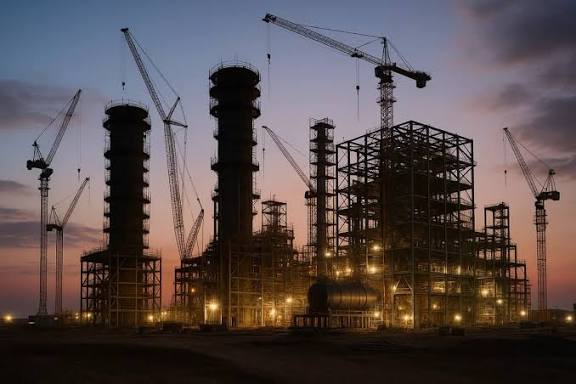
She revealed that construction activities had already commenced and expressed confidence that electricity generation would begin within four to five months.
Blessing said the first phase of the project would deliver 1MW of electricity, enough to serve between 500 and 1,000 households, before expanding to the full 7MW capacity.
Also speaking, the company’s Director of Technicals, Charles Igabor, identified land acquisition and the protection of power infrastructure as major challenges but said collaboration with host communities would be key to ensuring the long-term success of the project.