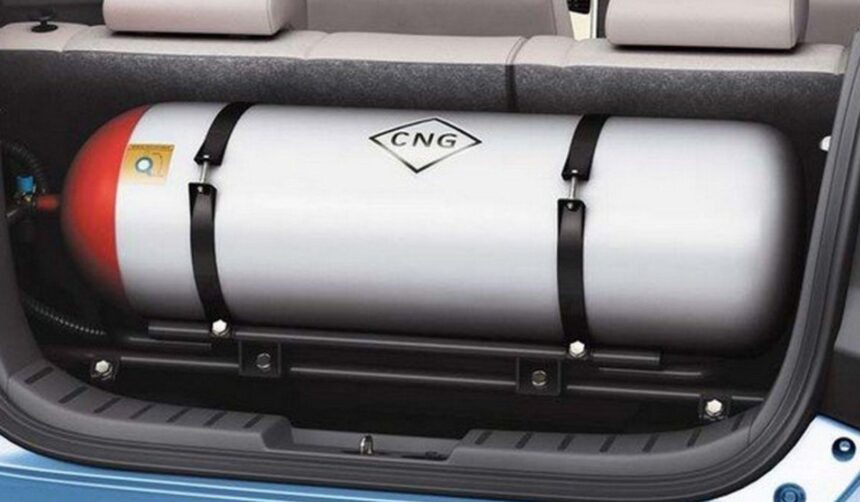
The Federal Government has introduced a new monitoring system aimed at eliminating the use of substandard kits in the conversion of vehicles to run on compressed natural gas (CNG), as part of its effort to enhance safety and strengthen Nigeria’s clean energy transition.
The initiative, known as the Nigerian Gas Vehicle Monitoring System (NGVMS), was officially launched on Thursday by the Minister of State for Petroleum Resources (Gas), Ekperikpe Ekpo, during an event held at an NNPC Retail Station in Abuja.
Ekpo explained that the platform would ensure that only vehicles converted at government-approved centres with certified CNG kits are allowed to refuel at designated filling stations. He said the system will track and regulate every stage—from vehicle conversion to refuelling—to prevent accidents and uphold public safety.
“The monitoring system guarantees that no vehicle with an uncertified CNG kit will have access to CNG supply,” Ekpo stated, adding that the move aligns with President Bola Tinubu’s Renewed Hope Agenda and the Decade of Gas Initiative, both focused on expanding the nation’s gas utilisation and reducing reliance on petrol and diesel.
According to a statement by the minister’s spokesperson, Louis Ibah, the NGVMS will promote accountability, ensure quality control, and maintain the integrity of the country’s growing gas ecosystem.
Also speaking at the event, the Chairman of the Presidential Initiative on CNG (PiCNG), Ismaeel Ahmed, revealed that over $1 billion in private investments have already been attracted into the CNG value chain. He said more refuelling and conversion stations are expected to open across the country before the end of the year.
Representatives of major transport unions who attended the launch commended the government for sustaining the CNG initiative, which they said has helped cushion the effects of fuel subsidy removal.
They noted that the provision of free conversion kits, CNG-powered buses, and tricycles under the programme had lowered transportation costs and eased food prices nationwide.
However, the unions urged the government to give commercial transport operators priority in CNG conversion efforts and to expand access by increasing the number of CNG stations across all states.