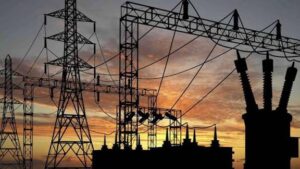
The Federal Government is working with electricity distribution companies to establish dedicated Energy Zones that could provide round-the-clock electricity to homes, businesses and industries in major areas of demand across Nigeria.
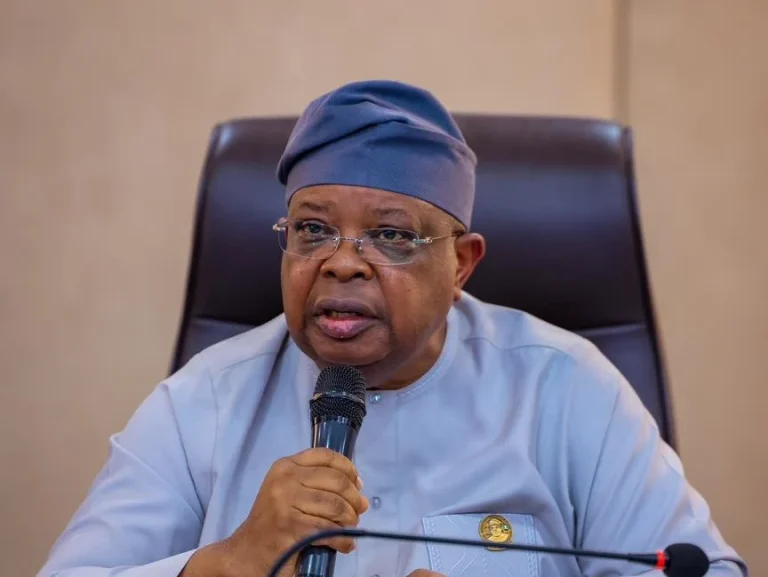
The initiative was discussed during a meeting between the Minister of Power, Joseph Tegbe, and executives of selected electricity distribution companies and energy firms.
The proposed zones will initially target the Lagos axis, Abuja-Kaduna-Kano corridor and Enugu-Port Harcourt corridor, according to the Federal Ministry of Power.
The government said the plan is intended to address challenges at the distribution end of the electricity value chain and improve the delivery of power already generated and transmitted to the national grid.
Tegbe said increasing electricity generation and transmission alone would not resolve the sector’s challenges if distribution companies lacked the capacity to receive and supply available electricity to consumers.
He said the Energy Zones would help unlock demand from commercial and industrial customers while improving electricity distribution companies’ revenue and collection performance.
The proposed zones will focus on areas where dependable electricity is particularly important for manufacturing, businesses and other productive activities.
However, the ministry did not disclose when the Energy Zones would become operational, the amount of electricity expected to be supplied to each zone or the infrastructure required to achieve 24-hour supply.
Companies represented at the meeting included Abuja Electricity Distribution Company, Ikeja Electric, Eko Power, Ibadan Electricity Distribution Company and Sahara Energy Group.
The initiative comes as Nigeria continues to face challenges with electricity reliability, including constraints that prevent distribution companies from fully delivering available power to consumers.
The Federal Government said the engagement forms part of the ministry’s phased approach to addressing longstanding challenges across the electricity value chain.