The Federal Government has ruled out any possibility of bringing back fuel subsidies or introducing price controls, even as global oil prices rise following renewed tensions between the United States and Iran.
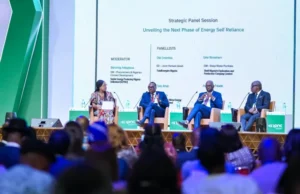
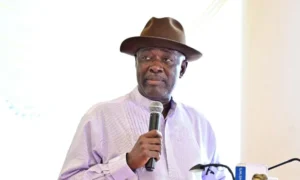
The Minister of Finance and Coordinating Minister of the Economy, Taiwo Oyedele, stated this during talks with international investors in Paris, where he discussed Nigeria’s economic direction and ongoing reforms.
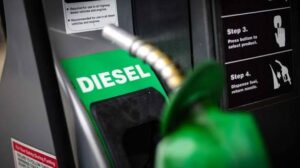
According to him, Nigeria will continue to rely on a market-based system for fuel pricing, stressing that reversing the subsidy removal would disrupt economic stability and worsen fiscal pressures.
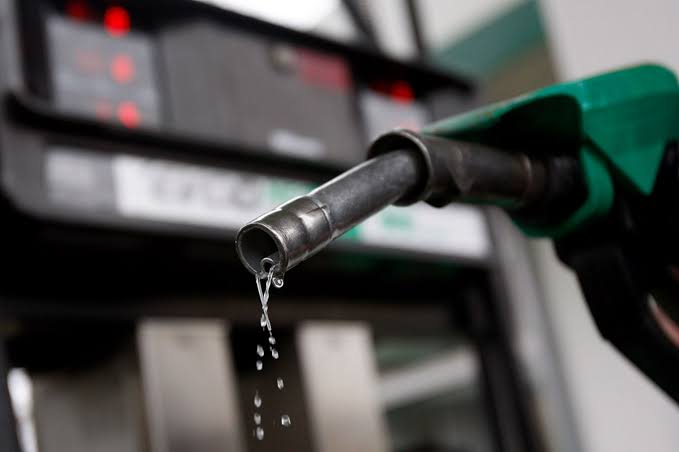
Fuel prices in the country have climbed sharply since the subsidy was removed in 2023, moving from about N200 per litre to over N1,300 in recent market conditions. Although there were brief reductions after increased local supply from domestic refining, prices have remained volatile due to global oil market shifts.
Oyedele explained that while the current geopolitical situation in the Middle East has pushed up oil prices globally, Nigeria is choosing to focus on reforms rather than return to subsidy payments or price fixing.
He added that instead of controlling prices, the government will strengthen regulation to prevent exploitation and ensure fair pricing in the fuel market.
The minister also pointed to recent economic improvements, saying Nigeria recorded strong growth in dollar terms in 2025, which supports its long-term plan of building a $1 trillion economy by 2030.
He noted that global energy disruptions could also present opportunities for Nigeria, especially as countries look for alternative suppliers and energy sources.
Despite public concerns over rising fuel costs and inflation, the government insists that its reform strategy is necessary to attract investment and maintain economic stability.
Authorities also believe that increased domestic refining capacity will help improve fuel supply and reduce long-term dependence on imports.