The Federal Government says it has attracted more than $2bn in private-sector investment into Nigeria’s Compressed Natural Gas (CNG) industry as efforts to expand the use of the fuel across the country gather pace.
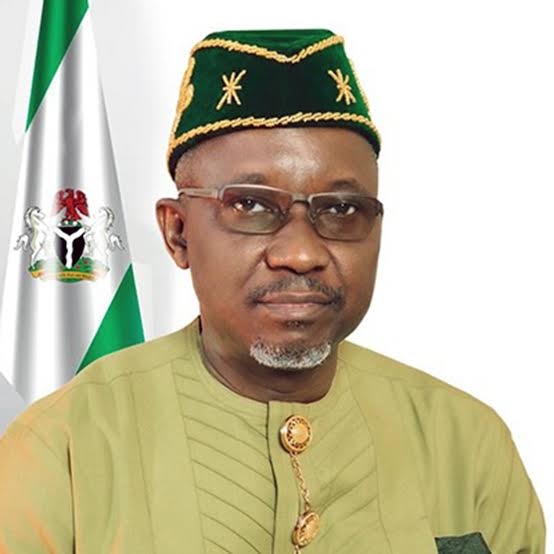
Minister of State for Petroleum Resources (Gas), Ekperikpe Ekpo, disclosed this in a statement issued on Tuesday by his spokesman, Louis Ibah.
Ekpo said the investment had supported the development of CNG infrastructure, including refuelling stations, vehicle conversion centres, technical training and other facilities needed to strengthen the country’s gas-based transportation system.
He noted that more than 120,000 vehicles had so far been converted to run on CNG, with over 400 certified conversion centres now operating across the country.
The minister also revealed that more than 90 CNG refuelling stations had been established, providing motorists and commercial transport operators with increased access to the alternative fuel.
According to him, the Presidential Initiative on CNG, launched in 2023, has also resulted in the training of more than 7,700 automotive technicians and generated over 10,000 direct and indirect jobs.
As part of the programme, the government has procured and deployed 655 CNG-powered buses and 5,123 CNG tricycles, while thousands of privately converted vehicles continue to operate across the country.
Ekpo said the growing adoption of CNG was already producing financial benefits for transport operators, private motorists and fleet owners, who were recording lower fuel expenses and improved operating margins.
He added that passengers were also benefiting from reduced fares on some CNG-powered buses.
The minister explained that the government’s broader goal was to ensure that savings from cheaper gas translated into lower transport and logistics costs for Nigerians.
To further increase access, the Federal Government is working with the Presidential Initiative on CNG, the Midstream and Downstream Gas Infrastructure Fund, state governments, transport unions, investors and other industry stakeholders.
The collaboration, Ekpo said, would focus on expanding conversion and refuelling facilities, establishing dedicated CNG transportation corridors and reaching communities that currently have limited access to the infrastructure.
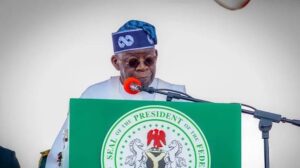
He also welcomed President Bola Tinubu’s directive for the establishment of an additional 500 CNG refuelling stations.
With the new stations, the minister said the country’s planned national CNG network would rise to 1,000 facilities.
Ekpo urged state governments that had yet to participate in the programme to join the initiative, stressing that wider adoption would help reduce transportation costs and support economic activity.
He assured Nigerians that the Federal Government would continue to work with investors and other stakeholders to expand domestic gas utilisation and ensure that the benefits of the CNG programme reach more people across the country.