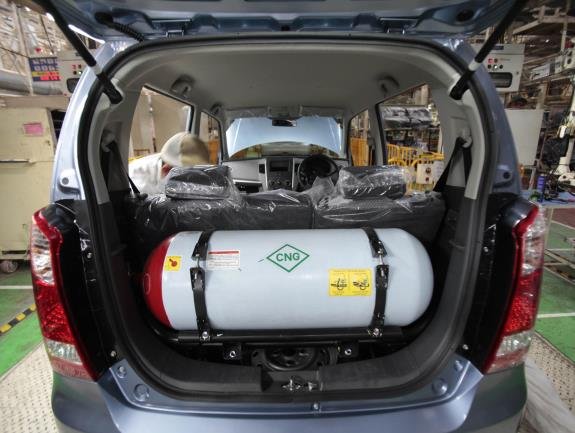
Nigeria’s slow but steady shift toward cleaner energy just got a symbolic boost, this time from within the government itself. In a move that highlights how public institutions can lead by example, the Federal Inland Revenue Service (FIRS) has donated two Compressed Natural Gas (CNG)-powered buses to the Bureau of Public Procurement (BPP).
The handover isn’t just about transport. It’s a statement: government offices are now beginning to back the same sustainability goals often directed at the private sector.
The BPP, which regulates how government agencies spend public funds, said the new buses represent a commitment to environmental responsibility, energy efficiency, and support for local industry. With Nigeria’s vast natural gas reserves still largely underutilized, the shift to CNG-powered vehicles offers a homegrown solution to both energy and economic challenges.
Zira Zakka Nagga, spokesperson for the bureau, said in a statement that the donation aligns perfectly with the “Nigeria First” policy, a national framework aimed at prioritizing local content and reducing dependence on imports.
What makes this move particularly notable is the cooperation between two key federal institutions. The FIRS is typically associated with revenue collection, but with this gesture, it’s signaling a broader interest in sustainable development and responsive governance.
For the BPP, the donation is a chance to walk the talk. As the gatekeeper of public procurement, the agency says decisions like this should send a message to other ministries and departments: sustainability and local sourcing aren’t optional they’re necessary.
While the donation may seem modest, it marks a meaningful shift in how the public sector approaches its own energy use. If replicated across agencies, such choices could help drive demand for cleaner fuels, reduce costs, and create more opportunities within Nigeria’s energy value chain.
By choosing CNG and collaborating across institutions, the FIRS and BPP are helping to chart a path where public sector decisions actively shape the country’s future, economically, environmentally, and strategically.