Nigeria’s ports have seen a sharp rise in petrol shipments just days after the Federal Government paused the implementation of the new 15 per cent import duty on petrol and diesel.
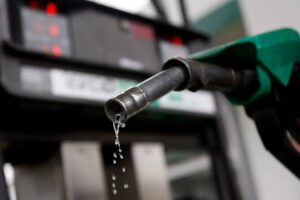
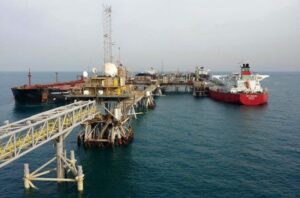
Between November 21 and November 25, a combined 149,500 metric tonnes—about 194 million litres of petrol—arrived or is scheduled to arrive at multiple ports across the country, according to fresh data from the Nigerian Ports Authority.
The bulk of the product moved through Tincan Island Port, which recorded the heaviest inflow within two days. Shipments also entered through Calabar and Warri, each handling tens of thousands of metric tonnes through private terminals.
The sudden surge comes after weeks of uncertainty around the government’s new tariff, which was originally approved by President Bola Tinubu to align fuel import costs with domestic refining realities and encourage patronage of local refineries. The duty, based on the cost, insurance, and freight of imported products, was expected to make imported petrol more expensive.
However, following concerns from market players and ongoing volatility in the downstream sector, the government shifted the implementation date to early 2026.
Importers reacted immediately. With the tariff temporarily off the table, dealers rushed to bring in more petrol to take advantage of the current window before the levy takes effect next year.
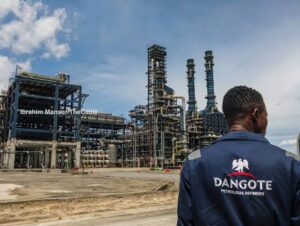
Industry operators say the landscape has also been reshaped by the Dangote Refinery’s recent cut in ex-depot prices, which has placed additional pressure on independent and major importers. The refinery’s new pricing has made local supply more competitive and raised questions about the future of fuel importation.
Still, the short-term suspension of the duty appears to have opened the door for increased import activity—evident in the volume of vessels now docking across Nigerian ports.
Officials say that the Shipping Position, updated daily, shows more vessels expected in the coming days as traders try to maximise the tariff-free period before the policy kicks in next year