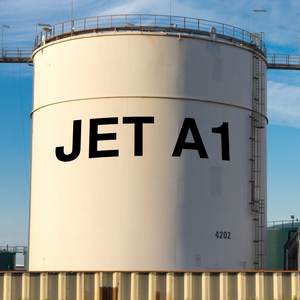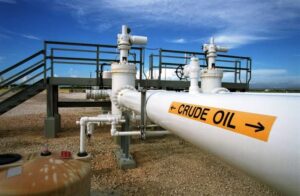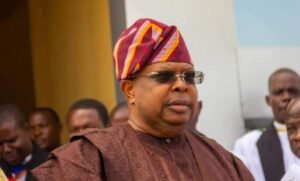
The Federal Government’s proposed 5% fuel tax will not be enforced until Nigeria’s economic situation improves, according to Taiwo Oyedele, Chairman of the Presidential Committee on Fiscal Policy and Tax Reforms.
Speaking at a haulage and logistics conference in Lagos, Oyedele explained that the surcharge — meant to fund road maintenance — would only take effect when key economic indicators such as the value of the naira and global oil prices become more favourable.
He said that while the policy is designed to create a sustainable source of funding for roads, implementing it now could worsen the financial burden on citizens already grappling with high living costs.
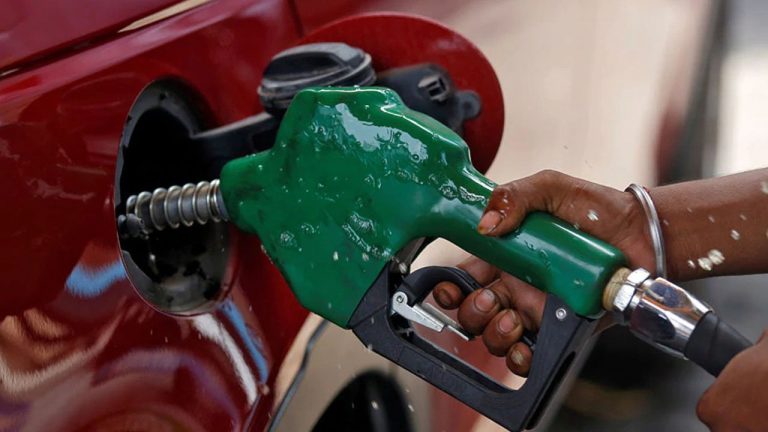
“The policy is a good one, but the timing must be right. If we apply it now, it will raise pump prices and hurt the public,” Oyedele said.
He noted that the fuel surcharge was originally introduced under former President Olusegun Obasanjo to channel a percentage of fuel proceeds toward road repairs — 40% for federal roads and 60% for state and local roads. The policy, he added, aligns with practices in over 150 countries.
Oyedele disclosed that despite a request from the Federal Roads Maintenance Agency (FERMA) to activate the levy after fuel subsidy removal, the committee advised against it. He emphasized that the surcharge remains part of the draft tax law but can only be implemented through an official order from the Minister of Finance.
“When the naira appreciates or global oil prices drop, that’s when we can consider introducing it,” he said.
The tax reform chief also highlighted that the ongoing reforms aim to simplify Nigeria’s complex tax system, reduce duplication, and ease pressure on transport operators.
According to him, small transport and logistics businesses earning below ₦100 million annually will be exempt from company income tax, while others will enjoy VAT refunds and new tax incentives.
Oyedele assured that the reforms will improve transparency, cut costs, and ensure fair distribution of revenue across all levels of government.
“We are not creating new taxes; we are fixing the broken ones,” he said.