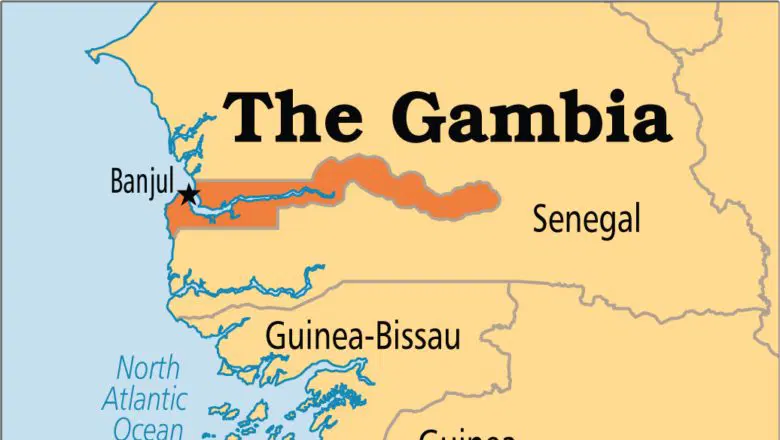
Protests over worsening electricity shortages have intensified in The Gambia, with thousands of residents taking to the streets in parts of the country and demanding action from President Adama Barrow’s government.
The demonstrations, which continued from Monday night into Tuesday, saw protesters burn tyres, obstruct roads and chant against the president. In the Westfield area outside the capital, Banjul, police fired tear gas after demonstrators moved towards the headquarters of the National Water and Electricity Corporation (NAWEC).
The protests follow months of persistent blackouts that have become increasingly severe since June. Some communities have reportedly gone without electricity for as long as 48 hours, worsening conditions during the country’s hot season.
President Barrow described the electricity crisis as both a national emergency and a security concern during a visit to a NAWEC power facility in Brikama. He said the situation required immediate action and was expected to address the country later.
The latest unrest represents a significant escalation from previous demonstrations over electricity supply and comes ahead of presidential elections scheduled for December. Barrow is seeking a third term in office.
NAWEC had previously attributed the electricity shortages to increased demand caused by high temperatures, alongside difficulties with electricity imports.
The utility’s Managing Director, Gallo Saidy, said the challenges were also being affected by broader factors, including climate change and the ongoing conflict in the Middle East. He urged residents to remain patient while efforts were made to stabilise power supplies.
Saidy cancelled a scheduled road inauguration to inspect facilities in Brikama and Kotu, two areas that have been particularly affected by the outages and the resulting protests.
Information Minister Ismaila Ceesay said the government recognised the seriousness of the situation and was working urgently to address the electricity crisis.
The prolonged outages have increased public frustration in a country where reliable electricity remains a major challenge. The latest protests could also increase political pressure on the government as the December election approaches.
Authorities now face the task of restoring electricity supply while preventing further unrest as residents continue to demand a more reliable power system.