The International Monetary Fund (IMF) has advised the Nigerian government to trim its proposed N54.99 trillion budget for 2025, warning that lower global oil prices could threaten the country’s financial stability.
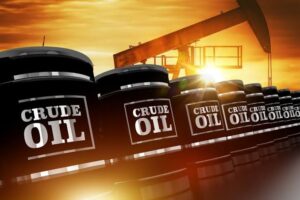
In its latest economic assessment, the IMF noted that although Nigeria has made significant progress through tough reforms—like removing fuel subsidies and liberalising the foreign exchange (FX) market—it remains vulnerable to external shocks. Oil, which still makes up the majority of Nigeria’s export earnings and government revenue, has seen price declines that could reduce income projections for 2025.
The Fund cautioned that sticking with the current budget could increase the fiscal deficit from 4.1% to around 4.7%, adding more strain to Nigeria’s already heavy debt load. It urged policymakers to adopt a more cautious spending plan that focuses on essential investments and avoids risky assumptions.
The IMF projected Nigeria’s GDP growth to remain at 3.4% in 2025, supported by better oil production, the launch of a new refinery, and steady growth in the services sector. However, it stressed that this growth is still not enough to significantly improve the average Nigerian’s standard of living.
While inflation has dropped from a 2024 average of 31% to 22.97% in May 2025, it’s still one of the highest in the world. The IMF backed the Central Bank of Nigeria’s decision to maintain tight monetary policy, saying high interest rates are needed until inflation is firmly under control and the naira regains credibility.
The report also touched on Nigeria’s foreign exchange system, praising recent reforms but calling for a clearer and more transparent approach to FX market intervention. The Fund warned that rising short-term capital inflows and shallow FX market depth could create fresh risks.
On the revenue side, the IMF welcomed recent tax reforms aimed at improving government income and creating room for development spending. It urged the government to keep improving how it spends money and to deliver more direct support—like targeted cash transfers—to help the most vulnerable Nigerians facing food insecurity.
The IMF also raised concerns about the fast-growing financial sector, especially in areas like fintech, mortgage lending, and crypto. It called for tighter regulation to keep up with innovation and reduce financial risks.
In closing, the IMF said that while Nigeria’s economy is showing signs of stability, many citizens are still struggling. It stressed the need for stronger investments in education, healthcare, infrastructure, agriculture, and climate resilience to ensure economic growth translates into real improvements in people’s lives.