A planned overhaul at Indian Oil Corporation is sparking internal resistance, as employees push back against moves to outsource key parts of the company’s vast fuel pipeline operations to private firms.
The company is proposing to restructure its pipeline division into a standalone vertical and shift control of depots, aviation fueling stations, and terminals to external operators. But workers say the plan risks placing national infrastructure in the hands of entities that may prioritize profits over safety and reliability.
The Indian Oil Officers’ Association (IOOA) has written to Petroleum Minister Hardeep Singh Puri, warning that the restructuring could weaken operational control and compromise safety standards. Their concerns are amplified by the fact that the Director in charge of pipelines has not been appointed since June, leaving a leadership gap at a critical time.
“These pipelines carry the country’s fuel. They’re not just business assets — they’re essential services,” one officer said.
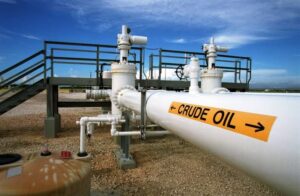
Indian Oil operates more than 17,000 kilometers of high-pressure pipelines transporting petrol, diesel, and jet fuel across India. Employees argue that outsourcing parts of this network could disrupt seamless operations and limit accountability during emergencies or crises.
In addition, the Petroleum and Natural Gas Regulatory Board (PNGRB) is moving to declare Indian Oil’s pipelines as “common carriers,” requiring the company to allow access to other fuel marketers. While the regulator claims this will improve efficiency and competition, unions say it could undermine Indian Oil’s competitive edge and make future investments less attractive.
Multiple national trade unions — including INTUC, AITUC, CITU, and HMS — have joined the protest, calling the plan short-sighted and warning it could threaten energy security.
The unions are also pushing back against a recent tariff rule that caps Indian Oil’s returns on pipeline operations at 12%, down from what the company typically earned. They argue this could reduce the motivation to build new pipeline infrastructure.
So far, Indian Oil has not made any public statements in response to the backlash, but internally, tensions are rising.
For now, workers are urging the government to pause the restructuring plan and to think twice before giving private players access to the arteries that keep the country’s fuel flowing.