At least three Indian oil refiners and a major global energy company are planning to stop using vessels placed on Iran’s new blacklist because of concerns over security and possible penalties, industry sources said.
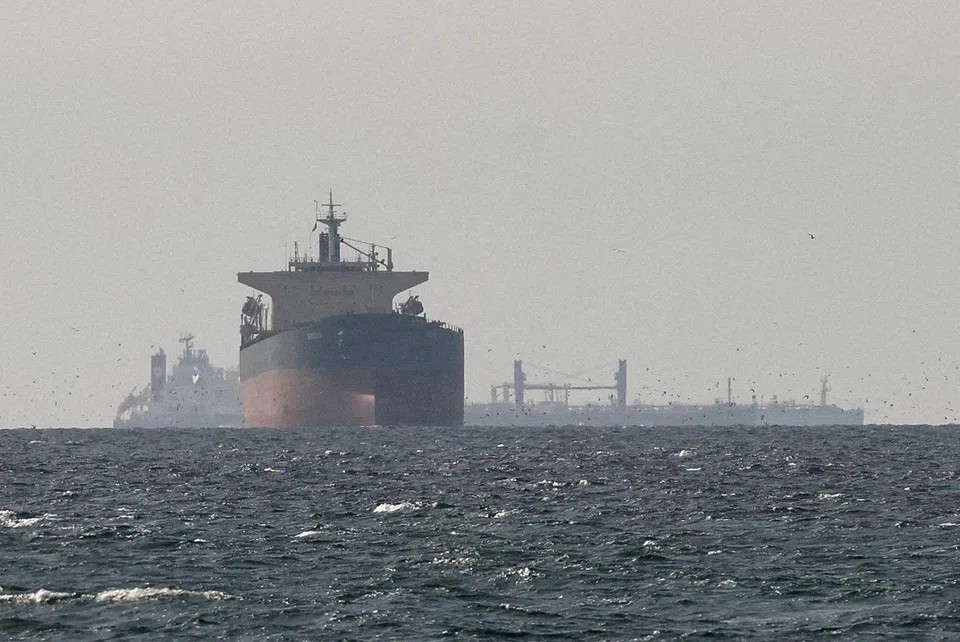
Iran recently blacklisted 45 ships it accused of violating its rules for operating in the Strait of Hormuz. The country has warned that vessels conducting ship-to-ship transfers with the blacklisted tankers could face fines, detention or cargo confiscation.
The development has created uncertainty for oil traders and shipping companies because the Strait of Hormuz is a critical route for crude oil and other energy supplies from the Gulf.
One source at an Indian refinery said the company would avoid using chartered vessels for ship-to-ship transfers or other activities involving ships on Iran’s list when handling Middle Eastern cargoes.
Some of the vessels named by Iran are owned or chartered by Saudi Aramco and Abu Dhabi National Oil Company. Shipping data shows that the tankers have been used to transport crude oil, petroleum products and liquefied natural gas from the Gulf before transferring cargoes to other vessels near Fujairah in the United Arab Emirates and Sohar in Oman.
However, analysts do not expect the threat to bring Gulf oil shipments to a halt. Ana Subasic, a trade risk analyst at Kpler, said companies could move their operations to other vessels, shipping partners or transfer locations.
Several oil buyers, charterers and shipping companies are currently reviewing their STS operations in response to Iran’s warning.
One Gulf crude buyer is considering purchasing oil on a delivered basis, meaning the seller would arrange transportation to the final destination rather than handing over the cargo at an STS location in the Gulf of Oman.
Formosa Petrochemical President KY Lin said the company was still discussing how to manage crude deliveries through the Strait of Hormuz and ship-to-ship transfers in the future.
Iran has previously attacked some tankers on the blacklist, including the Wedyan, Mombasa B and Al Bahyah. Shipping data also showed that some vessels on the list had stopped transmitting their locations through automatic identification systems.
Analysts said the latest threat could make oil companies more cautious when selecting vessels and shipping partners. It could also lead to higher freight, insurance and other risk-related costs as companies increase checks on tankers involved in Gulf oil trade.