The Independent Petroleum Marketers Association of Nigeria (IPMAN) has linked the recent surge in fuel prices across Nigeria to the deregulation of the petroleum market. According to Chinedu Ukadike, the Public Relations Officer of IPMAN, the fluctuation in fuel prices is a direct result of the market’s deregulated nature, where prices are influenced by market forces, including crude oil costs, exchange rates, and operational expenses.
In an interview with the News Agency of Nigeria (NAN), Ukadike emphasized that fuel prices naturally rise and fall based on these factors, and consumers should expect such fluctuations. He pointed out that the increase in the pump price of Premium Motor Spirit (PMS), commonly known as petrol, is particularly tied to the rising international crude oil prices.
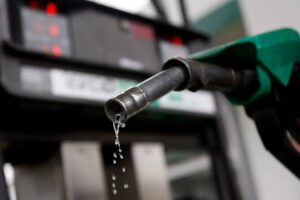
Reports from Abuja and Lagos indicate that NNPC and various independent marketers raised the price of petrol earlier this week. At NNPC stations in Abuja, the price surged by N50, from N895 to N945 per litre, while independent marketers increased prices by between N45 and N60. Major outlets like A.Y.M. Shafa, AA Rano, and NIPCO were reported to be selling at a uniform price of N955 per litre.
The price hikes have drawn strong reactions from consumers, particularly business owners and daily commuters who are feeling the financial strain. Adana Chris, a businesswoman, voiced her frustration, lamenting that while fuel prices continue to rise, wages remain stagnant. She urged the government to find a sustainable solution to the ongoing issue.
Taxi driver Aminu Ibrahim also expressed his struggles, stating that the higher fuel costs are significantly impacting his earnings. “It’s a struggle every day. I’m barely able to cover my fuel costs, and it’s affecting my family’s livelihood,” he said, calling for President Bola Tinubu’s urgent intervention to ease the pressure on ordinary Nigerians.
The price hike has sparked further debate around the sustainability of fuel price increases, with many calling for a more balanced approach that considers the impact on average citizens.