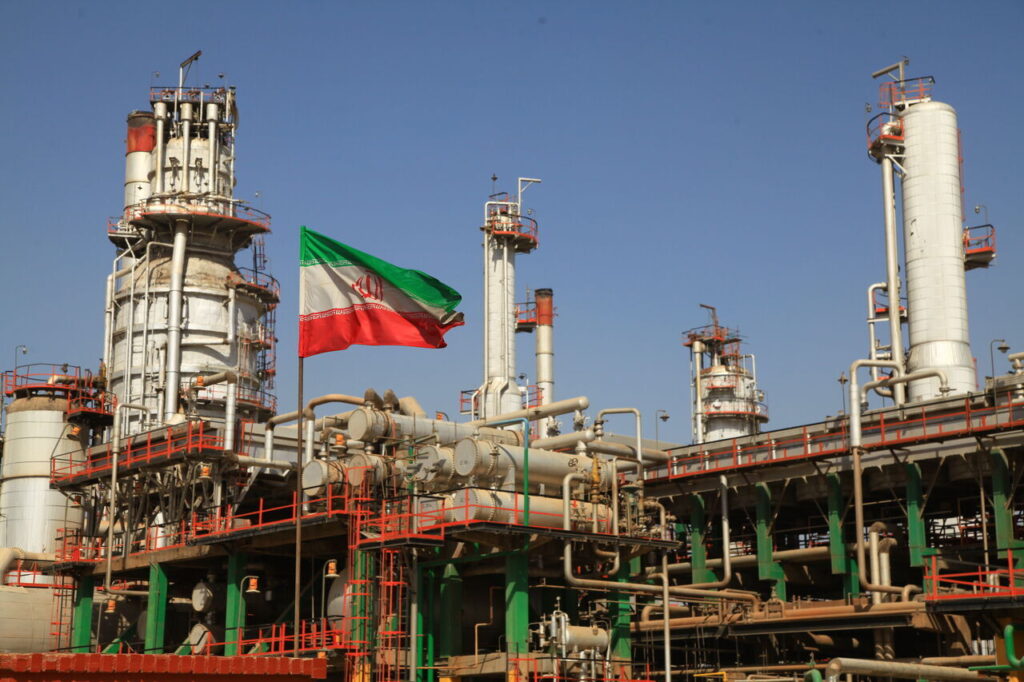
Iran has warned Gulf countries that it could target their oil export routes if they cooperate with new economic sanctions being prepared by the United States.
The warning was issued by Iran’s national security chief, Mohsen Rezaei, as Washington prepares to announce tougher measures aimed at increasing pressure on Tehran and countries that continue trading with it.
Rezaei said Iran would initially seek dialogue with countries that support the US pressure campaign. However, he warned that Tehran could retaliate against their economic interests and oil routes if negotiations fail.
The threat comes amid continued restrictions on shipping through the Strait of Hormuz, a major route for global energy supplies. Recent shipping data showed traffic through the strait has fallen sharply below normal levels because of the ongoing confrontation.
Iran has also indicated that its response could extend beyond the Strait of Hormuz to alternative routes used by Gulf oil producers. Saudi Arabia and the United Arab Emirates have developed routes that allow some crude exports to bypass the strait.
The development comes as US Treasury Secretary Scott Bessent prepares to unveil details of Washington’s new sanctions package. President Donald Trump has warned countries and businesses that continue providing economic support to Iran that they could face serious consequences.
The escalating dispute has raised fresh concerns about global oil supplies. Any wider disruption to crude shipments from the Persian Gulf could put pressure on international energy markets and potentially affect fuel prices in countries such as Nigeria.
Oil markets are already reacting to developments around the conflict, with investors closely monitoring the impact of the planned US sanctions and the possibility of further restrictions on oil shipments.