Nigeria may face another round of fuel price increases if rising tensions between the United States and Iran trigger a sharp jump in global crude oil prices, energy analysts and fuel marketers have warned.
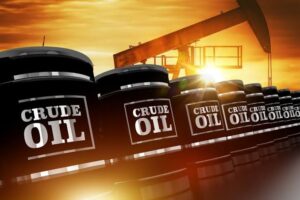
Industry experts say a prolonged crisis in the Middle East could drive crude prices towards the $90-per-barrel mark or higher, a development that would likely translate into higher petrol and diesel costs for Nigerian consumers despite ongoing efforts to boost local refining.
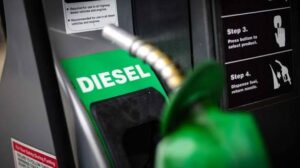
Recent market checks show petrol currently selling between ₦824 and ₦880 per litre across major Nigerian cities, depending on location and logistics. This follows a recent adjustment by the Dangote Petroleum Refinery, which cut its ex-depot petrol price by ₦25 per litre in February.
Analysts point to renewed instability in the Middle East as a key risk factor.
The situation has heightened fears of disruption around the Strait of Hormuz, a critical global oil transit corridor that handles a significant share of the world’s crude shipments. Any interruption in traffic through the route, they say, could quickly tighten supply and push prices higher.
At the weekend, global oil markets reacted sharply, with crude prices jumping by about 10 per cent amid reports that some oil companies had suspended tanker movements in the region. Although prices later moderated, experts warned that further escalation could reignite volatility.
Speaking on Nigeria’s exposure, Kelvin Emmanuel, chief executive of Dairy Hills, noted that local fuel prices remain closely tied to global crude trends because domestic refineries still rely heavily on imported feedstock. According to him, the Dangote refinery processes millions of barrels monthly, much of which is sourced from abroad, making production costs sensitive to international price swings.
He added that rising war-risk insurance premiums for tankers operating near conflict zones could further increase the cost of bringing crude into the country, forcing refiners to review fuel prices if oil climbs significantly.
Similarly, Olatide Jeremiah, chief executive of Petroleumprice.ng, said Nigeria’s dependence on imported crude and refined products leaves the country vulnerable to external shocks. He argued that if domestic refineries were fully supplied with locally produced crude under naira-based transactions, global price volatility would have far less impact on pump prices.
Jeremiah stressed that the current situation should prompt authorities to boost crude output, tackle oil theft, and ensure consistent supply to local refineries. Nigeria currently produces well below its potential, a gap he said undermines the country’s ability to shield consumers from global market turbulence.
Legal and economic experts also warned that the removal of fuel subsidies has made local prices more responsive to international developments. Dayo Ayoade, an energy law specialist at the University of Lagos, said Nigeria now operates a more market-driven fuel system, meaning any sustained rise in crude prices will likely be felt directly at the pump.
However, petroleum economist Wumi Iledare urged caution, noting that today’s global oil market is more diversified and transparent than during past geopolitical crises. While tensions may introduce a temporary risk premium, he said prices could stabilise if supply fundamentals remain intact.
Fuel marketers say they are closely monitoring developments. Chinedu Ukadike, spokesperson for the Independent Petroleum Marketers Association of Nigeria, said any major shift in global oil dynamics would inevitably affect local supply and pricing, but assured that marketers would continue to work towards steady product availability.
The latest concerns come amid reports of intensified military actions involving the United States, Israel, and Iran, which have raised fears of a broader regional conflict. Analysts say that while Nigeria could benefit from higher crude export revenues, consumers may bear the brunt through increased fuel costs unless structural issues in production and supply are addressed.
Experts agree that improving crude production, securing oil infrastructure, and prioritising domestic refineries remain critical if Nigeria is to reduce its vulnerability to global oil shocks and achieve long-term energy stability.