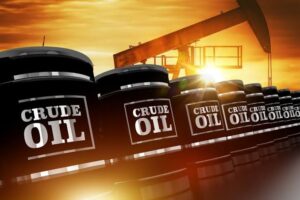
Oil-producing nations under the OPEC+ have agreed to increase crude oil production quotas, despite growing tensions across the Middle East following recent military exchanges involving Iran, Israel and the United States.
The decision was taken on Sunday by the V8 group, a coalition of eight key producers within the OPEC+ alliance. The group approved a production increase of 206,000 barrels per day, which will take effect from April.
Members of the V8 include major exporters such as Saudi Arabia and Russia, alongside Kuwait, Iraq, Oman, the United Arab Emirates, Algeria and Kazakhstan. Nigeria remains an influential member of the wider OPEC group.
While the quota adjustment comes amid escalating regional conflict, the producers avoided directly linking their decision to the security situation. Instead, they pointed to steady global economic conditions and what they described as balanced oil market fundamentals.
Before the meeting, analysts had expected a smaller increase in output. Energy experts warn that the agreed rise may not be enough to stabilise prices if tensions disrupt oil supply routes, especially around the Strait of Hormuz, a critical channel for global oil shipments.
There are growing concerns that any disruption to shipping in the strait could sharply push prices higher, regardless of production increases. Recent reports from Iranian media have claimed that vessels moving through the area have been warned off, with at least one tanker reportedly damaged.
Market analysts say oil prices will likely react more to developments in the Gulf and the safety of shipping lanes than to the modest increase in output announced by OPEC+, as traders assess the risk of prolonged supply disruptions.
Iran-US War: OPEC+ Raises Oil Production Quotas
Oil-producing nations under the OPEC+ have agreed to increase crude oil production quotas, despite growing tensions across the Middle East following recent military exchanges involving Iran, Israel and the United States.
The decision was taken on Sunday by the V8 group, a coalition of eight key producers within the OPEC+ alliance. The group approved a production increase of 206,000 barrels per day, which will take effect from April.
Members of the V8 include major exporters such as Saudi Arabia and Russia, alongside Kuwait, Iraq, Oman, the United Arab Emirates, Algeria and Kazakhstan. Nigeria remains an influential member of the wider OPEC group.
While the quota adjustment comes amid escalating regional conflict, the producers avoided directly linking their decision to the security situation. Instead, they pointed to steady global economic conditions and what they described as balanced oil market fundamentals.
Before the meeting, analysts had expected a smaller increase in output. Energy experts warn that the agreed rise may not be enough to stabilise prices if tensions disrupt oil supply routes, especially around the Strait of Hormuz, a critical channel for global oil shipments.
There are growing concerns that any disruption to shipping in the strait could sharply push prices higher, regardless of production increases. Recent reports from Iranian media have claimed that vessels moving through the area have been warned off, with at least one tanker reportedly damaged.
Market analysts say oil prices will likely react more to developments in the Gulf and the safety of shipping lanes than to the modest increase in output announced by OPEC+, as traders assess the risk of prolonged supply disruptions.