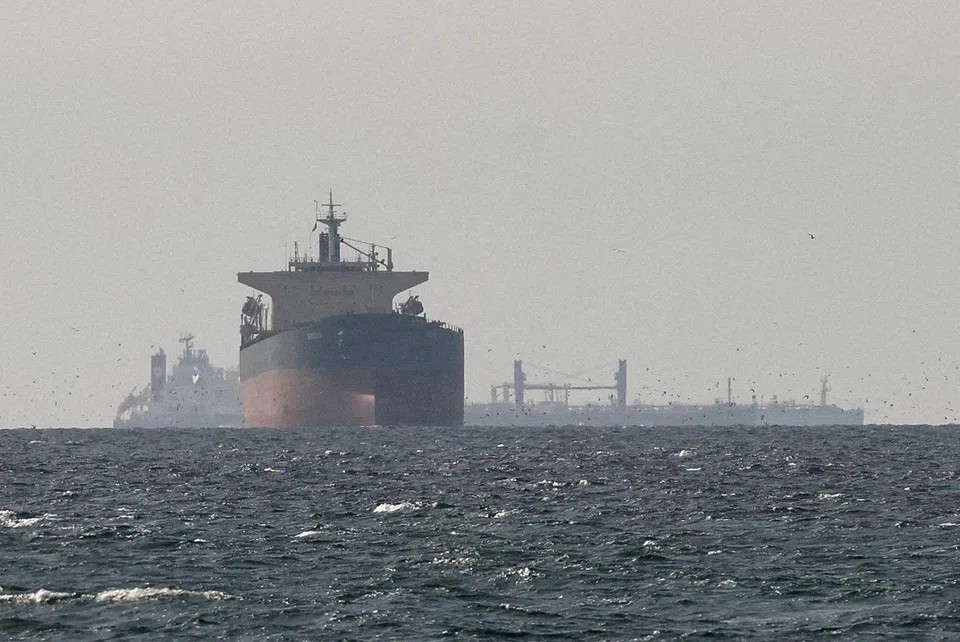
Three tankers carrying almost five million barrels of Iranian crude oil have departed waters affected by the U.S. naval blockade near the Strait of Hormuz, signaling growing expectations that a pending agreement between Washington and Tehran could soon restore oil exports from the region.
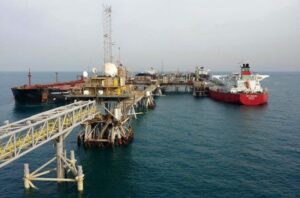
According to maritime tracking data from Kpler, two sanctioned supertankers owned by the National Iranian Tanker Company successfully moved beyond the blockade zone with approximately 3.8 million barrels of crude. Another tanker linked to Iran was also reported to have exited the area carrying about one million barrels.
Industry analysts say the movement of these vessels could indicate that shipowners are beginning to prepare for a potential reopening of trade routes that have been heavily disrupted during months of conflict between the United States and Iran.
The development comes after both countries agreed to a memorandum aimed at ending nearly four months of hostilities. A formal signing ceremony is expected to take place in Geneva later this week. While the details of the agreement remain undisclosed, market participants believe it could pave the way for the resumption of Iranian oil exports and the easing of restrictions on maritime traffic through the Strait of Hormuz.
Reports suggest the United States may allow Iran to restart oil sales immediately after the deal is finalized, in return for commitments related to Tehran’s nuclear programme.
The Strait of Hormuz is one of the world’s most important energy corridors, handling roughly 20 percent of global oil shipments before the conflict disrupted operations. The closure of key routes and restrictions on vessel movements have left hundreds of ships stranded and contributed to volatility in energy markets.
Despite signs of progress, shipping companies remain cautious. Maritime intelligence firms note that many operators are waiting for stronger assurances that the waterway will remain secure before committing vessels to regular transit through the strait.
Insurance providers have also maintained elevated war-risk premiums, citing the need for clear evidence that hostilities have ended and shipping lanes are safe.
Some tanker owners, however, are positioning vessels closer to Gulf ports in anticipation of increased demand once trade resumes. Industry observers report that dozens of very large crude carriers have already begun moving toward the Middle East, seeking to capitalize on a potential surge in oil shipments.
Analysts estimate that more than 100 loaded tankers could leave the region within weeks of the agreement taking effect, although they caution that the initial rush is likely to reflect a backlog of delayed cargoes rather than a sustained recovery in traffic.
For now, shipping activity through the Strait of Hormuz remains limited, with industry groups stressing that existing restrictions will remain in place until the agreement is formally signed and implemented.