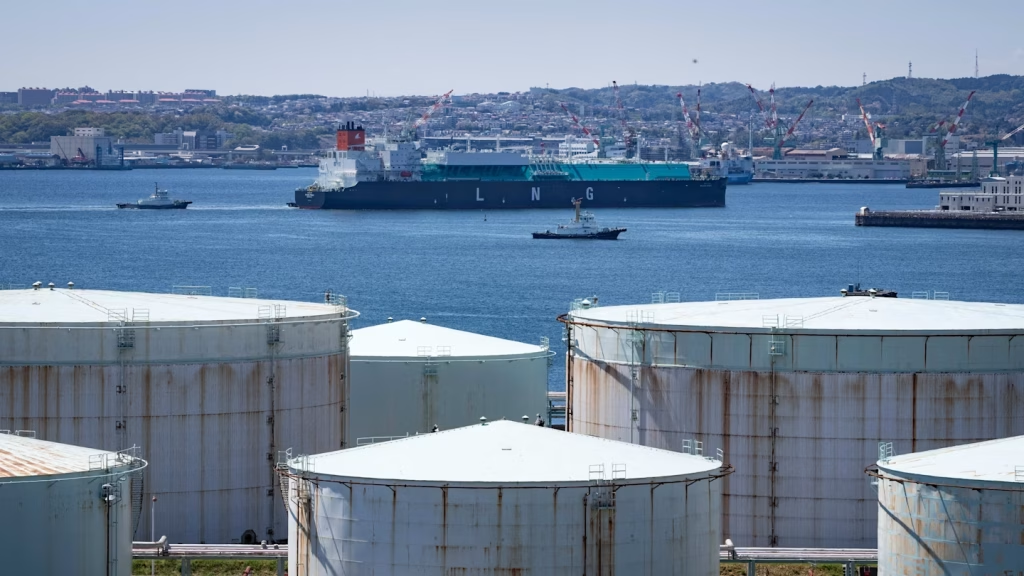
Japanese companies have committed about $21bn to acquisitions and investments in global gas assets since 2023, as they seek greater control over energy supplies and reduce their exposure to market disruptions.
The investment drive has focused largely on shale gas resources along the US Gulf Coast, reflecting Japan’s growing interest in securing supplies beyond traditional long-term liquefied natural gas (LNG) purchase agreements.
The shift has also made Japan the largest foreign investor in US gas resources, accounting for about two-fifths of overseas investment in the sector over the past four years, ahead of the United Kingdom, Canada and Australia.
The strategy is driven partly by concerns over geopolitical disruptions to energy supplies and declining gas reserves in parts of Asia. Japanese companies are increasingly seeking ownership of producing assets to strengthen their supply security and gain more control over gas volumes.
Among the major transactions, Jera, Japan’s largest power generator, acquired a shale gas field in Louisiana for $1.5bn, while Mitsubishi agreed to purchase US shale gas producer Aethon in a deal valued at $7.5bn.
The investments are also expected to give Japanese companies greater exposure to the expanding US energy market, particularly as electricity demand rises from artificial intelligence data centres.
Japan’s government has backed the strategy through its energy policy, which supports the continued use of natural gas beyond 2040 and encourages companies to secure long-term LNG contracts while investing in gas production and export infrastructure.
Owning gas-producing assets could help Japanese firms manage exposure to rising US gas prices and protect margins from fluctuations in the LNG trading market. The companies can also supply customers in the United States while retaining opportunities to export gas to growing Asian markets.
However, the investment strategy carries financial risks. Japanese trading companies suffered substantial losses from an earlier wave of US shale gas investments between 2010 and 2012, when falling prices undermined the value of their acquisitions.
Analysts have also cautioned that the higher prices attached to recent transactions could limit further dealmaking.
Supporters of the current investment drive argue that the market has changed, with growing demand for natural gas, including from data centres, creating opportunities that were less prominent during the previous investment cycle.
Japan is the world’s second-largest LNG buyer after China, making reliable access to gas supplies a major consideration for its energy security.