Motorists in Nigeria’s two largest cities are now facing higher fuel costs, as the Nigerian National Petroleum Company (NNPC) Limited has adjusted petrol prices upward once again. In a quiet but noticeable shift that began on Monday, petrol is now selling for ₦945 per litre in Abuja and ₦915 per litre in Lagos — a move that marks a significant jump from the previous rates of ₦910 and ₦870, respectively.
Field reports confirm that several filling stations in both cities have already implemented the new pricing. In Lagos, outlets along the Badagry Expressway and areas like Igando have updated their pump meters, while in the Federal Capital Territory, stations in neighborhoods such as Kubwa have begun charging the new rate.
The increase appears to follow changes in the wholesale pricing of petrol, as industry insiders point to a recent shift in ex-depot prices — the rate at which fuel is sold to marketers.
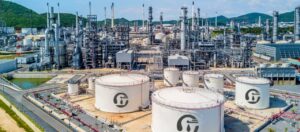
Notably, the Dangote refinery is said to have raised its ex-depot rate to ₦880 per litre, putting additional pressure on downstream distributors to follow suit. Major retailers like TotalEnergies and MRS have also revised their prices, with some selling fuel for as much as ₦925 per litre.
The impact was immediate. Long queues have been observed across various parts of Lagos and Abuja, as residents scramble to refuel amid concerns that prices could rise again.
Many commuters and transport operators expressed frustration, saying the adjustment would drive up the cost of living even further.
This is not the first such increase in recent months, and it deepens anxiety over the ongoing volatility of fuel pricing in Nigeria’s deregulated market. With no formal subsidy framework in place and global oil dynamics constantly shifting, fuel prices remain vulnerable to frequent and often unannounced revisions.
As Nigerians continue to grapple with inflation and economic uncertainty, the latest fuel hike is likely to add more strain — especially for those who depend on daily transportation for work and business.
Public discourse is already heating up, with renewed calls for clearer communication from energy regulators and long-term solutions to the country’s fuel supply challenges.