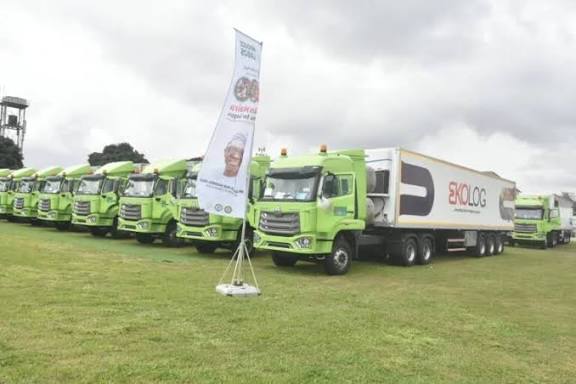
The Lagos State Government is set to introduce 2,000 new Compressed Natural Gas (CNG) trucks into the state’s haulage system before the end of November 2025, marking a major push to improve road safety and reduce emissions.
The programme, backed by a N150 billion soft-loan facility secured through the United Bank for Africa (UBA), is designed to gradually phase out the old, rickety trucks that have been linked to frequent accidents and breakdowns across the state.
According to Hassan Adekoya, Senior Special Assistant to the Governor on Transportation and Logistics, the first phase includes a N50 billion funding arrangement to help truck operators access safer, modern CNG-powered vehicles. At least 500 trucks will be deployed initially, with the full rollout targeting 2,000 units.
Adekoya noted that most of the trucks currently operating in Lagos are outdated and fall short of safety standards, contributing to incidents such as falling containers and overturned tankers. He said the new CNG trucks will not only improve safety but also cut operating costs, as CNG is cheaper and cleaner than diesel.
The trucks will be allocated to registered dry cargo operators transporting goods such as rice, chemicals, industrial materials, and containerised shipments. Tanker operators will not be included in this phase.
To support the transition, the state is identifying strategic locations for CNG refuelling stations and preparing a training programme for up to 10,000 truck drivers. The initiative includes vision tests and free eyeglasses for drivers who need them.
Adekoya added that Lagos is upgrading key roads under the THEMES Plus Agenda, but stressed that operators must comply with load limits and road-worthiness rules to protect the new infrastructure.
He assured stakeholders that the goal is not to push existing operators out of business, but to help them switch to safer, more reliable vehicles that reduce accidents and protect lives.
He said the government’s stance is clear: Lagos is moving away from unsafe trucks and building a modern, efficient, and safer haulage system for the state.