The Petroleum and Natural Gas Senior Staff Association of Nigeria (PENGASSAN) has urged the Federal Government to publicly identify and prosecute those financing terrorism, warning that the country’s worsening insecurity can no longer be treated with silence or caution.
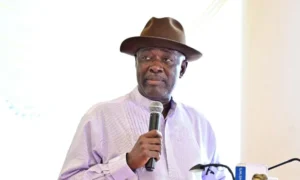
PENGASSAN President, Festus Osifo, delivered the message on Thursday after the union’s National Executive Council meeting in Abuja. He said the surge in kidnappings, attacks and general lawlessness is endangering national development and putting millions of citizens at risk.
Osifo questioned why terrorism financiers have not been revealed, despite repeated claims by authorities that their identities are known. He said Nigerians are tired of recurring condemnations after violent incidents, insisting that decisive action is long overdue.
While acknowledging the recent appointment of a new Minister of Defence, Osifo stressed that changing personnel will not fix the problem unless governments at all levels treat insecurity as a top national priority. He advised that resources from non-essential sectors could be redirected to purchase advanced security equipment capable of confronting criminal groups.
His remarks align with growing pressure from the National Assembly, where lawmakers this week renewed calls for the public naming and prosecution of terrorism sponsors. A fresh Senate proposal also recommends classifying kidnapping and hostage-taking as terrorism offences to give security agencies wider operational powers.
The union also raised concerns about Nigeria’s harsh economic climate, citing the continuous rise in food prices despite reported easing inflation. Osifo urged the government to ensure that macroeconomic gains translate into actual relief for citizens and allow farmers to safely return to their farmlands.
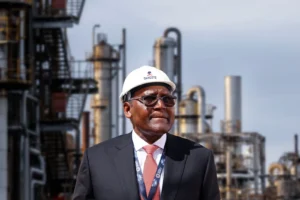
On labour issues, the PENGASSAN leader disclosed that the dispute with Dangote Refinery and Petrochemicals Ltd which led to an industrial action two months ago remains unresolved. He added that companies across the oil and gas industry must review wages following the devaluation of the naira, noting that demand for Nigerian professionals abroad continues to grow.