
The Nigerian Content Development and Monitoring Board (NCDMB), Heritage Energy Operational Services Limited and Global Oceon Engineers Nigeria Limited have commenced a training programme for 48 Nigerians in subsea engineering.
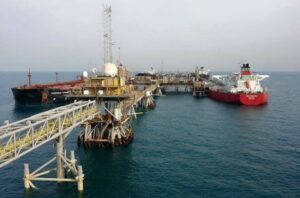
The initiative is designed to build local expertise in specialised oil and gas operations, particularly offshore and deepwater projects, where technical skills and strict safety standards are essential.
The programme was inaugurated in Port Harcourt, Rivers State, with NCDMB Executive Secretary, Felix Omatsola Ogbe, represented by the board’s General Manager of Human Capacity Development, Emelle Alexis.
Ogbe said the training would prepare participants to handle complex subsea operations and contribute to the safe, efficient and environmentally responsible operation of oil and gas facilities.
According to the board’s General Manager of Corporate Communication, Obinna Ezeobi, the participants will undergo six months of classroom instruction, followed by six months of practical training on the job.
The course covers risers and hydrodynamics engineering, offshore structural design, pipeline engineering, and computer-aided design and drafting using AutoCAD.
Ogbe encouraged the trainees to approach the programme with discipline and professionalism, noting that success in subsea engineering requires technical competence, accountability, teamwork and a strong commitment to safety.
He expressed confidence that the participants would acquire the knowledge and practical experience needed to contribute meaningfully to Nigeria’s oil and gas industry.
Heritage Energy’s Manager of Nigerian Content Development, Felix Osiwo, said the company remained committed to developing Nigerian talent. He noted that a skilled local workforce was crucial to delivering energy infrastructure projects and sustaining growth in the sector.
Similarly, Global Oceon Engineers Nigeria Limited’s Managing Director, George Ebuh, represented by Ifedolapo Aderibigbe, described the initiative as a strategic investment in indigenous engineering capacity. He emphasised the importance of local professionals in maintaining the safety and reliability of offshore and deepwater facilities.
Some participants welcomed the opportunity to develop specialised skills, particularly in safety procedures and AutoCAD.
The initiative falls under NCDMB’s Top 10 Field Readiness Human Capacity Development programmes, which aim to bridge critical workforce gaps in the oil and gas industry.
Through the scheme, the board and its partners seek to expand local participation in high-value technical operations, promote technology transfer and prepare more Nigerians for specialised roles in offshore and deepwater projects.