The Federal Government has been urged to seek up to $7bn in investment from the United Arab Emirates to upgrade Nigeria’s electricity grid, replace ageing equipment and improve power supply.
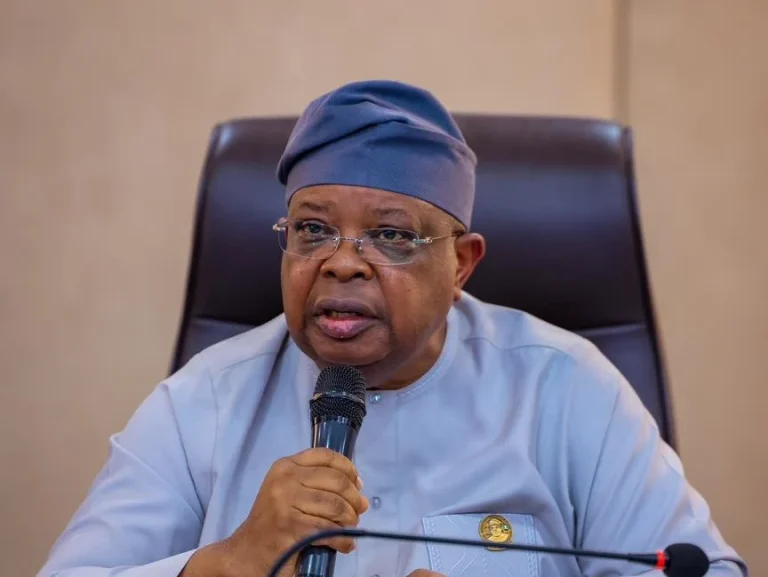
The call followed Nigeria’s participation at Middle East Energy 2026 in Dubai, where Minister of Power Joseph Tegbe highlighted the need to strengthen the country’s energy infrastructure.
The UAE invested approximately $71.32bn in Sub-Saharan Africa between 2021 and 2025, according to its Minister of State, Saeed bin Mubarak Al Hajeri. The country has also committed more than $70bn to renewable and green energy projects across Africa through initiatives such as Masdar’s $10bn programme and the Etihad 7 platform.
National Secretary of the Network for Electricity Consumers Advocacy of Nigeria, Uket Obonga, said Nigeria should position itself to attract a share of the funding.
He suggested that securing 10 per cent of the investment would give Nigeria about $7bn, half of which could be directed towards strengthening the electricity grid.
Obonga said the funding could support the expansion of transmission and distribution networks, improve existing infrastructure and replace outdated equipment, including meters.
He also called on the government and the power minister to provide clear information about any investment secured and explain how the funds would be deployed.
At the Dubai event, Tegbe stressed that improving energy security required investment in infrastructure, effective institutions and international partnerships.
The UAE Minister of Energy and Infrastructure, Suhail bin Mohammed Al Mazrouei, similarly highlighted the importance of cooperation among governments, investors, technology companies and financial institutions. He identified electricity interconnectivity as a key area for investment to strengthen energy security and facilitate the movement of cleaner power across borders.
Meanwhile, Convener of PowerUp, Adetayo Adegbemle, urged the government to improve the national grid and encourage industrial consumers to reconnect to it.
He explained that the departure of major electricity users had increased the cost burden on other consumers, noting that the grid was designed to distribute electricity to large and small users at a lower overall cost.
Adegbemle said the government should develop policies that would make grid electricity more attractive to manufacturers while addressing rising supply costs.
The UAE has expanded its economic engagement with Africa through infrastructure, logistics and development financing, including investments involving DP World, AD Ports Group and the Abu Dhabi Fund for Development.
Middle East Energy 2026 brought together more than 1,500 exhibitors and participants from over 120 countries to discuss power generation, renewable energy, electricity grids, energy storage and energy security.
Attracting UAE funding could help Nigeria address longstanding electricity infrastructure challenges, although the proposed investment would depend on successful negotiations and clear plans for deploying the funds.