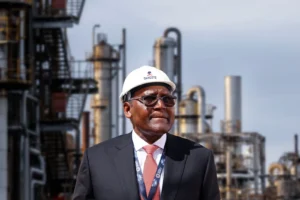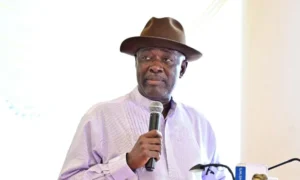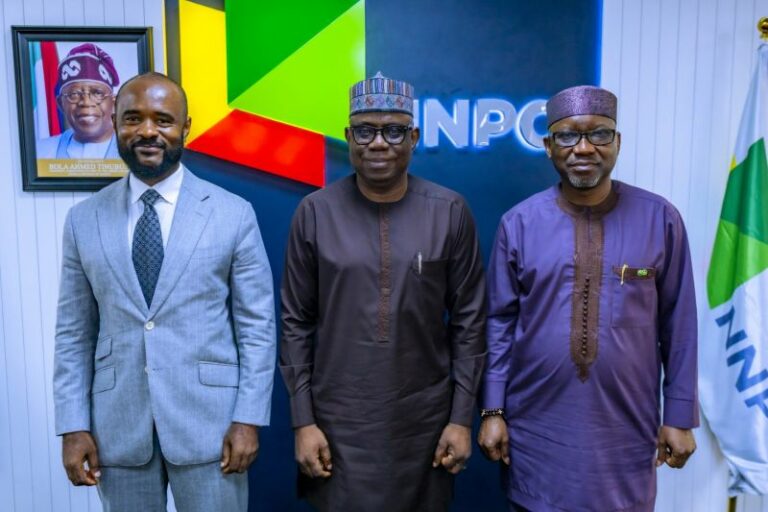
As debates heat up over alleged missing trillions at the Nigerian National Petroleum Company Limited (NNPC), several voices are urging the public to take a more balanced view especially regarding the recently appointed leadership.
The current board, led by Group Chief Executive Officer Bayo Ojulari, only took office in April 2025. Despite this, they’ve been caught in the crossfire of claims linking the company to huge financial mismanagement. Critics argue that blaming a team barely three months into their tenure for long-standing issues is both unfair and misleading.
Analysts say that if there are genuine concerns about funds allegedly mismanaged or unaccounted for, attention should be directed at those who led the company during the period in question. Specifically, former executives like Mele Kyari and Pius Akinyelure have been mentioned as the ones who should be answering those questions.
Supporters of the new leadership highlight early signs of change. Ojulari has already initiated moves toward transparency, including releasing operational and financial figures for April the first time such data has ever been made public. That report showed revenues of ₦5.89 trillion and a ₦748 billion profit after tax.
Ojulari’s background, including decades at Shell and leading Renaissance Africa Energy through a historic $2.4 billion acquisition, speaks to his credibility. He’s recognized for improving production performance and cutting operational costs significantly.
He isn’t working alone. The board includes seasoned industry professionals: Ahmadu Musa Kida, with deep upstream oil experience; Babs Omotowa, who oversaw massive revenue growth at Nigeria LNG; and Engr. Yusuf Usman, who played a major role in developing Nigeria’s gas infrastructure and is known for his clean track record.
Together, they’re aiming for big targets: increasing oil output, attracting billions in new investment, revitalizing refineries, and expanding gas pipelines all within a few years.
Supporters argue that this is a rare moment where NNPC is being run by professionals instead of political appointees, and early attempts to discredit them may be politically motivated by groups threatened by reform.
The message from their advocates is clear: Nigeria stands to gain more by giving this team room to work rather than dragging them into old controversies. The focus, they say, should be on results not recycled blame.