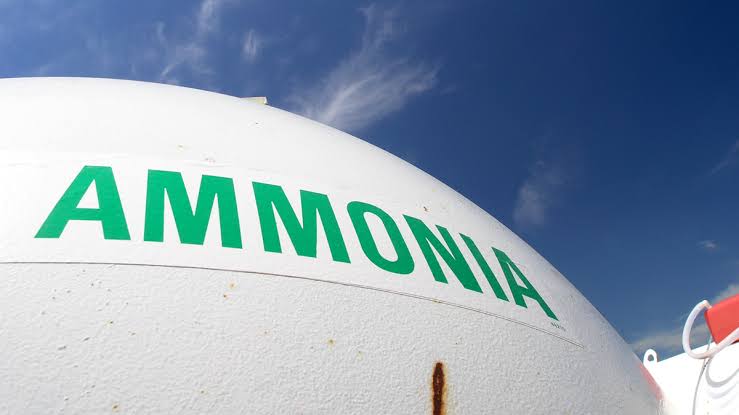
Nigeria has the capacity to become a major hub for green ammonia production, potentially generating up to four million tonnes annually by 2060, according to the West African Science Service Centre on Climate Change and Adapted Land Use (WASCAL). This was revealed during the Nigeria4H2 Project Results Workshop held in Abuja.
WASCAL’s Executive Director, Prof. Emmanuel Ramde, explained that Nigeria’s abundance of renewable energy sources like solar, wind, and hydro gives the country a solid foundation to produce green hydrogen — which is key in making eco-friendly ammonia for fertilizer.
He noted that investing in this sector could significantly reduce Nigeria’s reliance on imported fertilizers, boost food production, and create thousands of jobs throughout the green energy value chain. Ramde also urged the government to incorporate green ammonia into national agricultural plans to improve productivity and sustainability.
The Nigeria4H2 project, run in partnership with Nigerian universities such as FUTA, FUT Minna, and Afe Babalola University, aims to evaluate the country’s infrastructure, policies, and investment potential for green hydrogen use in transportation, electricity, and agriculture.
Based on research from the project, Nigeria could not only meet its own fertilizer needs through green ammonia but also become a key global supplier — provided the right policies, infrastructure, and investments are in place.
Ramde called on authorities to develop a clear national strategy for green hydrogen, set investment targets, and encourage partnerships with the private sector and international stakeholders to fast-track development and local capacity building.
Also speaking at the event, Dr. Mustapha Abdullahi, Director-General of the Energy Commission of Nigeria, advocated for tax breaks and collaborative pilot projects to promote hydrogen-based technologies. Represented by the ECN’s Director of Renewable Energy, Ibrahim Sulu, he stressed that hydrogen has long been recognized as a clean energy alternative in Nigeria’s energy policy and should now be prioritized.
The Nigeria4H2 project is supported by Germany’s Federal Ministry of Research, Technology, and Space, which provided both funding and technical expertise. WASCAL acknowledged the ministry’s backing as instrumental to the project’s success.
Experts at the forum agreed that Nigeria is well-positioned to lead Africa in green hydrogen and ammonia production — but emphasized that bold policy actions and investments are needed to bring this vision to life.