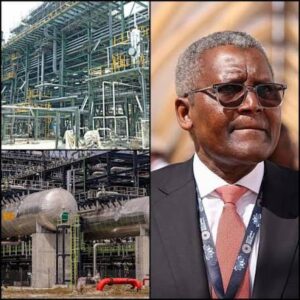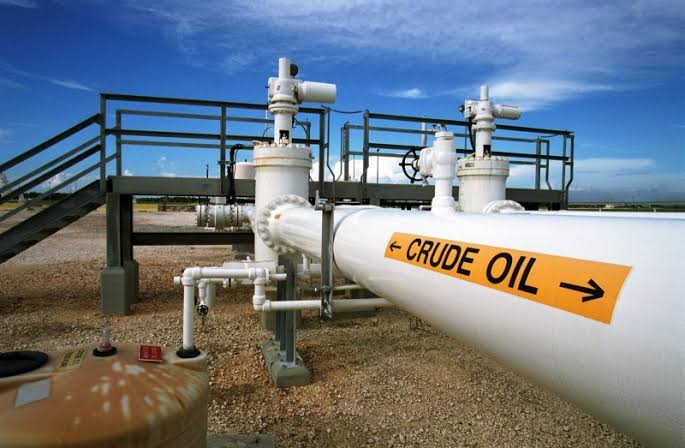
In the first quarter of 2025, Nigeria exported a significant 82% of its crude oil, leaving only 18% for domestic refineries, according to the Nigerian Upstream Petroleum Regulatory Commission (NUPRC). This trend is raising concerns, especially as local refineries, including the massive Dangote Refinery, continue to face severe crude supply challenges.
Despite having the capacity to refine hundreds of thousands of barrels daily, these local plants are struggling to operate efficiently due to insufficient crude allocation. The NUPRC said about 1.57 million barrels were lifted daily during the quarter, but just 280,000 barrels per day were set aside for local use.
To bridge the gap, the Dangote Refinery has increasingly turned to importing crude from the United States. Between April and July 2025, it is expected to bring in around 17.65 million barrels of U.S. crude, with 3.65 million barrels already received in the previous two months.
Industry experts, including representatives from the Crude Oil Refinery Owners Association of Nigeria, have criticised the government’s failure to enforce policies meant to ensure steady crude supply to local refineries. They say oil producers prefer selling to international buyers who pay in dollars, leaving local operators—who largely rely on the naira—unable to compete.
One of the key complaints is that the Domestic Crude Supply Obligation (DCSO), which is supposed to guarantee regular supply to Nigerian refineries, is not being properly implemented. For example, the Dangote plant was meant to receive around 385,000 barrels daily but has received only a fraction of that in recent months.
While the NUPRC maintains that the supply chain is well-managed and that domestic supply efforts are ongoing, refinery operators argue that Nigeria’s refining goals are being undermined by economic pressures and weak policy enforcement.