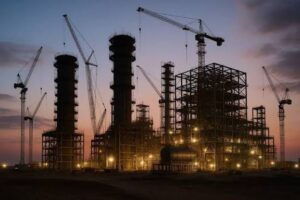
The Federal Government is seeking to raise Nigeria’s electricity generation capacity to 20,000 megawatts (MW), with the development of the Mambila Hydropower Project and 21 identified dams forming part of its expansion plans.
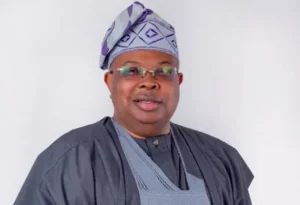
Minister of Power, Joseph Tegbe, disclosed this during a television interview, explaining that the government was pursuing new generation projects and private sector investment to improve electricity supply across the country.
According to a statement issued by his media aide on Tuesday, the Mambila Hydropower Project in Taraba State is expected to contribute approximately 3,000MW to the national grid when completed.
The government is also exploring opportunities to develop smaller hydropower facilities, with 21 dams identified along the proposed Sokoto–Badagry Superhighway for possible electricity generation.
Tegbe said a policy framework for small hydropower development was nearing completion, while discussions were ongoing with prospective investors to advance the projects.
He added that Chinese companies had expressed interest in participating in the Mambila project, with possible financial support from China Exim Bank in partnership with Sinohydro.
The minister also revealed that President Bola Tinubu had instructed him to engage state governments in northern Nigeria to secure their participation in the Mambila project.
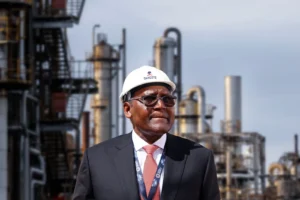
Beyond the hydropower initiatives, the government is seeking support from private investors, including billionaire businessman Aliko Dangote, who has reportedly indicated willingness to contribute to the 20,000MW ambition.
Tegbe said Nigeria was moving beyond its long-standing 10,000MW generation target, noting that several projects in the pipeline could significantly increase electricity output.
He, however, acknowledged that improving power supply would require substantial investment and infrastructure development after years of underinvestment in the sector.
The minister expressed confidence that Nigerians could begin to experience stable electricity within three to five years.