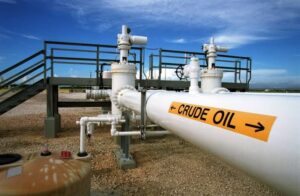
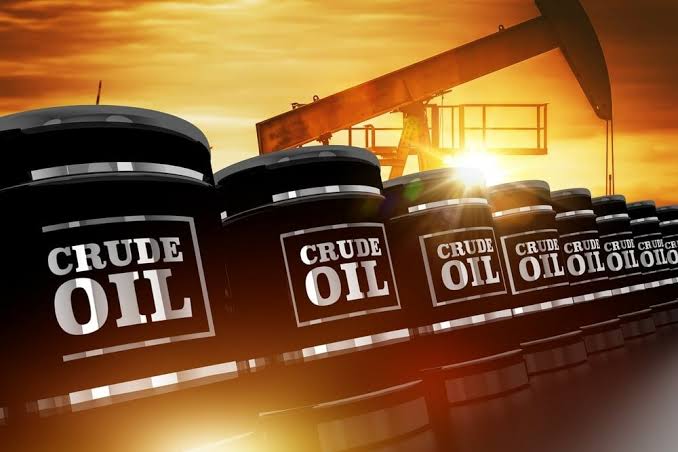
Nigeria is stepping up efforts to raise crude oil production to three million barrels per day by 2030 through new oil block licensing, increased investment in existing fields and stronger pipeline protection.
The Federal Government is also targeting gas production of 12 billion cubic feet per day within the same period, although achieving both goals will require more funding, improved infrastructure, skilled workers and a stable operating environment.
The Nigerian Upstream Petroleum Regulatory Commission (NUPRC) is seeking to attract investors through its 2026 licensing round, which offers 40 oil and gas blocks across onshore, shallow-water and deepwater locations.
NUPRC governing board member Sunday Adebayo said the industry was showing signs of progress, pointing to earlier licensing rounds and an increase in the number of drilling rigs operating in the country. He also highlighted cooperation between oil companies and host communities as important to sustaining production.
However, Nigeria’s oil industry continues to face an investment gap. NUPRC chief executive Oritsemeyiwa Eyesan said annual investment in the sector had dropped from $26bn in 2014 to about $2bn. The commission believes new incentives could attract as much as $50bn in fresh investment to offshore oil and gas projects.
Eyesan has also stressed the need for more skilled workers, including specialists with digital expertise, to support increasingly complex exploration and production activities.
The regulator is meanwhile demanding that companies awarded oil blocks honour their financial commitments. It recently warned 31 companies that won 37 blocks in the 2025 licensing round to pay their required signature bonuses within the stipulated period or risk losing their provisional awards.
Under the applicable rules, successful bidders must pay signature bonuses of between $3m and $7m per block, provide the necessary guarantees and meet other conditions. Companies that fail to comply may lose their awards to reserve bidders.
Beyond developing new oil fields, investment in existing assets could also help Nigeria increase production. Brittania-U chairman and chief executive Catherine Uju Ifejika said her company invested more than $400m after acquiring the Ajapa field from Chevron. The investment included additional wells and a floating production, storage and offloading facility, helping the field begin producing about 2,300 barrels per day in 2010 before output increased and became more stable.
NUPRC figures show that Nigeria’s crude oil and condensate production rose from 1.48 million barrels per day in February to 1.735 million barrels per day in June this year. Despite the improvement, production remains well below the government’s 2030 target.
Pipeline security is another major part of the country’s strategy. The Federal Government appointed Tantita Security Services Nigeria Limited, led by Government Ekpemupolo, popularly known as Tompolo, to help protect oil infrastructure in the Niger Delta.
The company works alongside security agencies to monitor pipelines, limit oil theft and support the uninterrupted movement of petroleum resources. Damage to pipelines and illegal connections can disrupt production and exports, raise operating costs and reduce government revenue.
Niger Delta Progressive Alliance president-general Nse Udoh said pipeline surveillance had helped improve the reliability of oil transportation and enabled companies and government institutions to plan more effectively. He noted, however, that pipeline protection alone could not address every challenge across the energy sector.
Nigeria is also benefiting from improved oil prices, according to Montfort Mlachila, an adviser in the International Monetary Fund’s African Department. Speaking at the 2026 World Bank and IMF Annual Meetings in Bangkok, Thailand, he said stronger oil prices had increased foreign exchange receipts and supported the country’s external reserves.
The IMF projected Nigeria’s economic growth at 4.2 per cent this year, up from four per cent last year, and 4.3 per cent in 2027.
While better oil prices and fresh investment opportunities could support the economy, Nigeria’s ability to reach three million barrels per day will depend on turning licensing awards into producing projects, developing existing fields, meeting financial commitments and maintaining secure infrastructure.