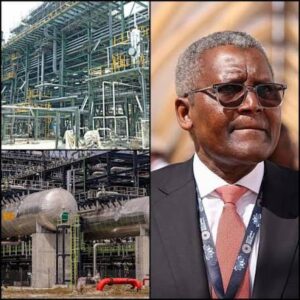
Nigeria flared 98.8 million standard cubic feet (scf) of natural gas in the first quarter of 2025 — the highest Q1 level recorded in five years — despite mounting pressure to reduce emissions and capture gas for economic use.
Data from the National Oil Spill Detection and Response Agency (NOSDRA) revealed that the country lost $345.9 million to flaring between January and March, highlighting a growing gap between policy goals and industry practice.
“If it costs the same or less to pay flare penalties than to aggregate, treat, and transmit gas, companies will simply opt to flare and pay penalties,” said economist Kelvin Emmanuel, who blamed poor pricing incentives for the persistent flaring.
Compared to 83.5 million scf flared in the same period in 2024, the Q1 2025 figure marks a significant 18% rise — a setback to Nigeria’s climate pledges and gas commercialisation plans. NOSDRA also reported 5.3 million tonnes of carbon emissions released during the period, compounding environmental and health risks for communities near flaring sites.
Jide Pratt, country manager of TradeGrid, said, “Most companies take the cheaper option of paying fines rather than investing in extraction and piping,” calling for stronger penalties and more attractive incentives for gas capture.
Under current regulations, oil companies producing more than 10,000 barrels per day are fined $2 per 1,000 scf flared, while smaller producers pay $0.50.
Despite these penalties, only $197.7 million was collected in fines in Q1 — just 57% of the value of gas lost.Creek Transitway CEO Elijah Wisdom said infrastructure remains the bigger issue: “The key issue is infrastructure and cost-reflective tariffs… recent DGDO adjustments have helped, but operational debts still weigh down the system.”
The ongoing Nigerian Gas Flare Commercialisation Programme (NGFCP) aims to curb gas flaring and unlock as much as $2.5 billion in investments. In February, NUPRC CEO Gbenga Komolafe said the programme could turn Nigeria’s gas waste into a key source of revenue and energy.
Still, without a major shift in enforcement, pricing, and infrastructure, experts say Nigeria risks falling further behind on its climate goals.“Fines for flaring should be increased to make reinjection more attractive,” said Pratt.
Despite multiple legislative efforts dating back to 1969, and a legal ban on flaring without ministerial permission since 1984, Nigeria’s gas flaring continues to rise — exposing systemic policy and regulatory weaknesses in the sector.